

COLORADO SPRINGS, Colo. — The first cold morning is a bad time to discover the furnace will not start. Before turning up the thermostat for the season, homeowners can make a few simple checks to know when it is time to bring in a professional.
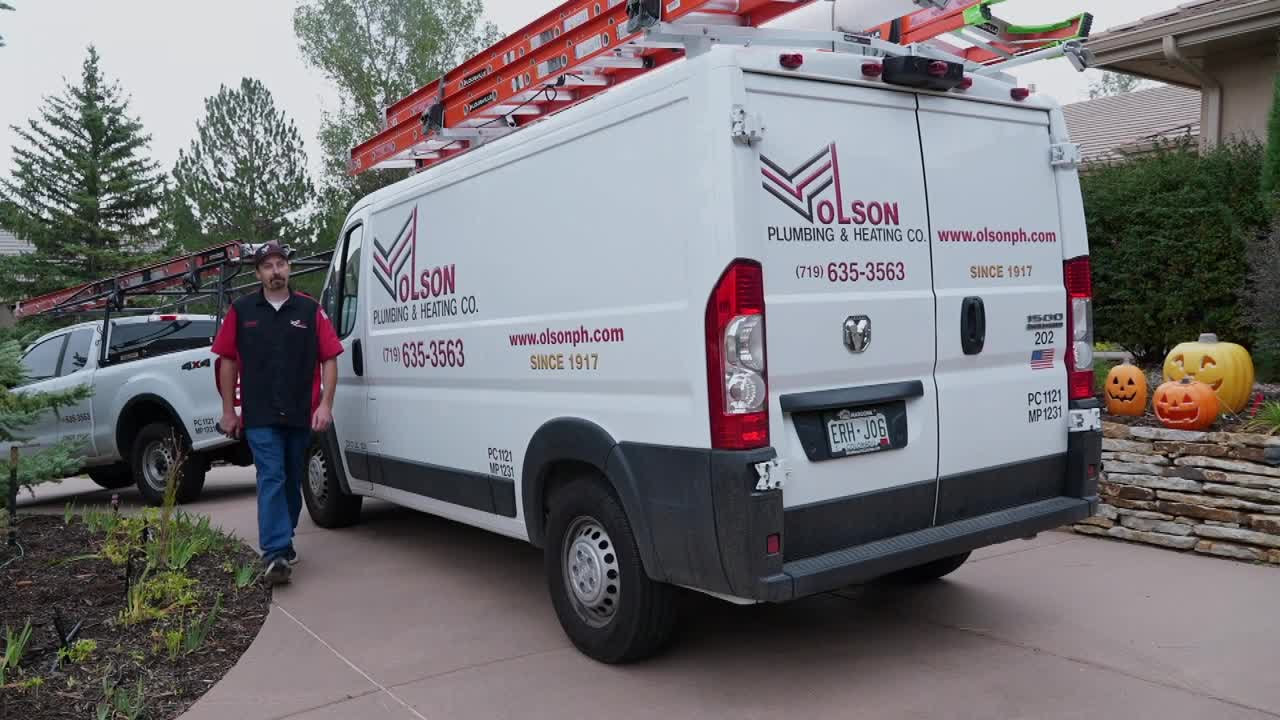
News 5 Jaylen Lee, joined technicians from Olson Plumbing and Heating for a furnace walkthrough. Their starting points were the filter, the thermostat, and the carbon monoxide alarm.
The filter's location depends on the system. If you do not know where yours is or what type fits, check the system's instructions or ask a technician to show you. A filter packed with dirt restricts airflow. That can cause a furnace to overheat and stop working.
Watch More in the Video Player Below
“Depending on the system’s needs, you may have to change that once a month. Some people can get away with changing it once every three months,” Jared Marsh, Olson Plumbing and Heating technician. “It really just depends on the system.”
Check it regularly and follow the guidance for your equipment.
Make sure to check the thermostat before assuming the furnace is broken.
Make sure the thermostat is set to heat, its display is working, and its batteries are good if it uses them.
“First thing you want to check is make sure that your thermostat is actually calling for heat,” Marsh said during the demonstration. “If the batteries are dead, or there’s nothing going on at the thermostat, nothing’s gonna happen at the furnace.”
Once the furnace starts, warm air may take a short time to reach the vents. If the thermostat is calling for heat but the house still is not warming up, the technicians said to call a professional rather than try to work inside the furnace yourself.
Test your carbon monoxide alarm
Make sure your carbon monoxide alarm is working before you begin using the heat regularly. Carbon monoxide is a colorless, odorless gas that fuel-burning equipment can produce, so you cannot rely on smell to warn you. During the visit, a technician used a meter to check for carbon monoxide in the air moving through the furnace's ductwork.
If your home's carbon monoxide alarm sounds, leave the house immediately and call 911 from outside. Do not stay inside to investigate. The CDC also advises prompt medical attention if you feel dizzy, light-headed or nauseated and suspect carbon monoxide exposure.
Do not store boxes or other combustible items against the furnace. The U.S. Fire Administration advises keeping anything that can burn at least three feet away from furnaces and other heat-producing equipment.
The Olson technicians recommend having a furnace checked before the heating season, even if it worked last year. A professional can examine how the system operates and perform safety tests homeowners cannot do by looking at the filter or feeling the air from a vent.
The short version: check the filter, thermostat and carbon monoxide alarm; keep the furnace area clear; and arrange an inspection before you depend on the heat every day.