


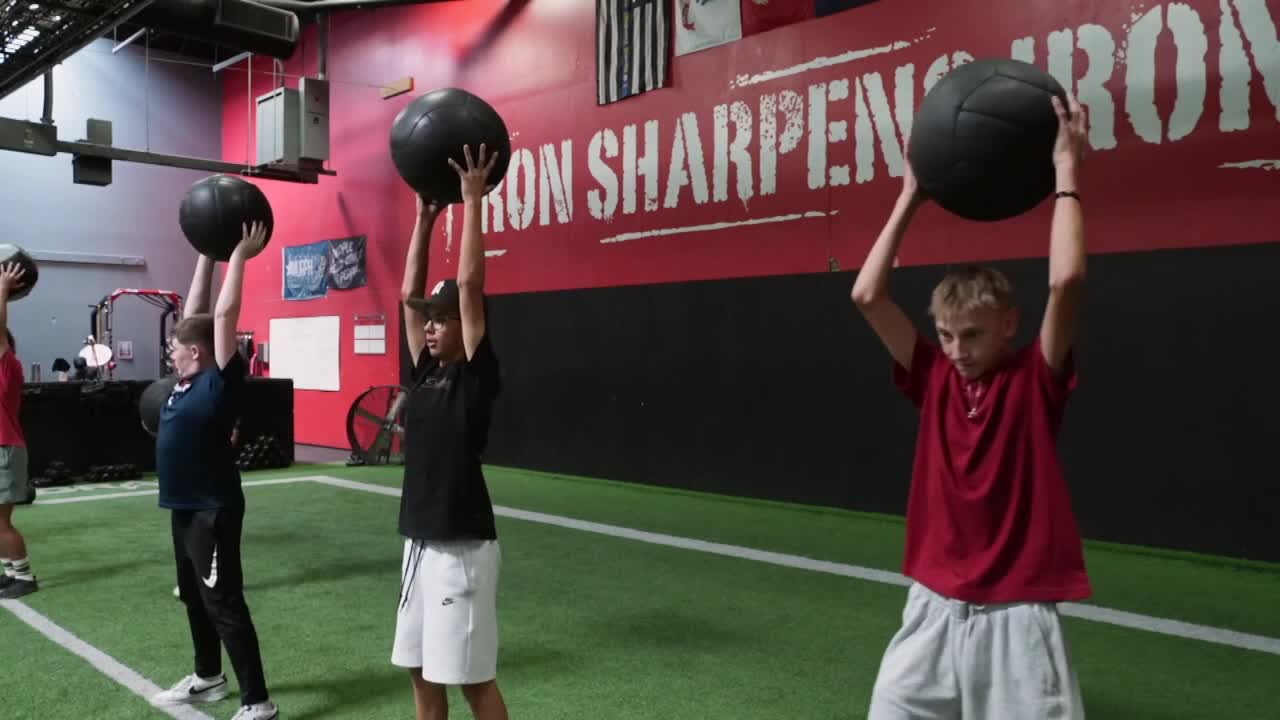

COLORADO SPRINGS, Colo. (KOAA) — As students get ready to head back to school, young athletes across Colorado are also preparing to return to practices and games.
But after a summer away from organized sports, experts say athletes shouldn’t expect to go from little activity to full-intensity practices overnight.
Kevin Roberts, manager of athletic training at UCHealth, says one of the biggest concerns he sees is athletes returning to preseason without properly preparing their bodies.
“(Athletes) go into the summer and they're like, hey, this is my time to relax, and then all of a sudden they're right back into whatever their sport is and the demands go up and they haven't done anything for eight weeks,” said Roberts.
That sudden jump in activity can increase the risk of problems including cramping, pulled muscles and strains, particularly during the first few weeks of a season.
Start building back gradually
Roberts recommends athletes begin increasing their activity several weeks before their season begins rather than waiting until the first practice.
Ideally, he says athletes should work toward about an hour of exercise each day during the four to six weeks before their season, gradually increasing their workload.
For athletes who have been still all summer and only have a week before practices begin, Roberts says they can still begin ramping up their activity. He recommends gradually increasing exercise throughout that week and incorporating stretching each day.
“Mobility is probably, next to the vigorous exercise, the most important thing you could do,” said Roberts.
Roberts says tight muscles can contribute to injuries, making flexibility an important part of preseason preparation.
Hydration starts before practice
Hydration is another important part of preparing for fall sports, especially in Colorado.
Roberts says athletes may not realize how much water they are losing while exercising in Colorado's dry climate because they may not sweat as noticeably as they would in a more humid environment.
By the time an athlete feels thirsty during practice, Roberts says, they may already be behind on hydration.
He also says cramping is common during the first three to four weeks of a season, when athletes are adjusting to increased activity and, in Colorado, some of the hottest conditions of the year.
Sleep, nutrition and recovery matter too
Getting ready for a season isn't only about workouts.
Kitten DuPree, owner and coach at D1 Training, says sleep, nutrition and hydration are critical parts of preparing an athlete's body for increased activity.
“They're more important than everything else,” said DuPree. “We always ask, how's your sleep, because if that starts to go, everything else does.”
DuPree says athletes need to make sure they're fueling their bodies appropriately rather than focusing solely on exercise.
She also encourages families to build movement into everyday life. That doesn't necessarily mean a difficult workout. Going for a walk, riding a bike or finding other ways to stay active can help maintain consistency throughout the summer.
“The goal is always movement,” said DuPree.
Parents can help
Both experts say parents can play an important role in helping young athletes prepare.
Roberts says parents can look for simple signs that a child may not be ready for the demands of a sports season.
If a child becomes unusually exhausted from everyday activities, such as walking around the neighborhood, playing outside or riding a bike, it may be a sign they need to gradually build their endurance.
DuPree says parents also don't need to make the process complicated. Finding activities the family can do together can help children stay active while also making movement part of their routine.
For athletes, the goal isn't necessarily to be in peak condition before the first practice. Instead, experts say the focus should be on gradually preparing the body, staying hydrated and fueled, maintaining flexibility and allowing time for recovery.
Those habits can help young athletes enter the season better prepared and potentially reduce the chances of an injury, keeping them on the sidelines.
___

Right to Hunt and Fish? Amendment 83
____
Watch KOAA News5 on your time, anytime with our free streaming app available for your Roku, FireTV, AppleTV and Android TV. Just search KOAA News5, download and start watching.