

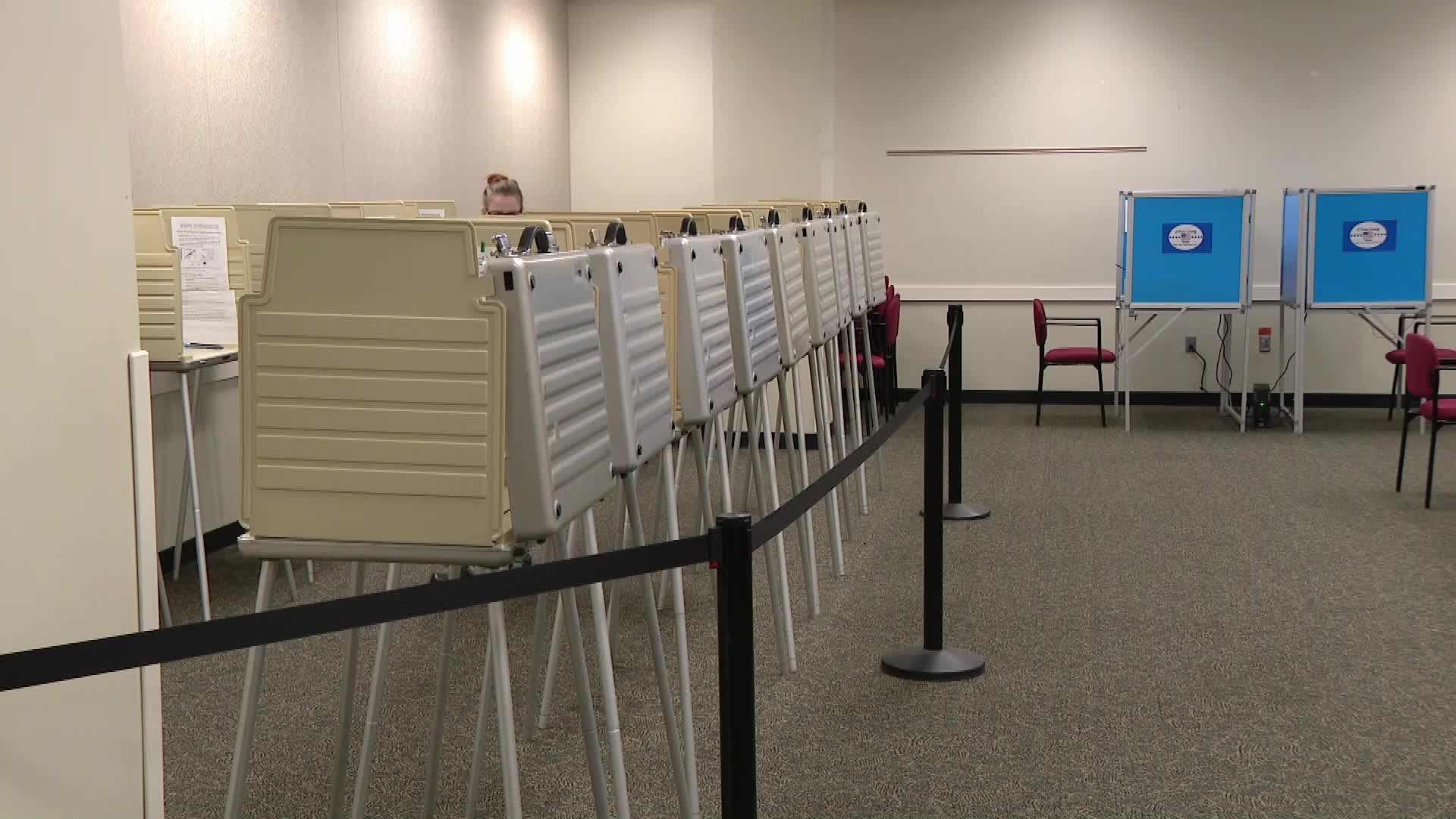


EL PASO COUNTY, Colo. (KOAA) — Major races for governor and Congress have been dominating headlines this election cycle, but there are races on your ballot with people not exactly campaigning for your vote, judges for Colorado’s state and local courts.
The governor originally appoints them to their seat. After at least two years on the job, voters decide if they should remain a judge. After that election, the length of their terms varies by the court they preside over; four years for county judges, six years for district court, eight years for court of appeals, and ten years for the state supreme court.
Unless you work in the courts, or know someone who does, you likely don’t interact with these judges, so how do you decide whether or not they should stay employed?
The state provides evaluations for judges on the ballot, similar to an evaluation you may get in the workplace. It ranks judges as "meets performance standards" or "does not meet performance standards.”
"It's a data-driven process," said Bill Delisio, deputy director with the state's Office of Judicial Performance Evaluation said, "you can think of it this way, it kind of starts with court observation and kind of culminates in an interview with the judge," Delisio said.
A volunteer commission observes the judge in the courtroom, does interviews with attorneys, and there's also a survey that goes out to people who interact with that judge. Members of the public can also go online and fill out a survey about a judge, but response rates are typically less than 5%.
"The survey response rates are low statewide, and even talking to other states that have similarly situated judicial performance programs, survey response rates are low. So we don't emphasize the survey as the only piece of information," Delisio said, “this is a pain point, both for the judges who are evaluated, for the commissioners who do the evaluation, and I'm certain for the voters that they would like a more robust survey data, but we always say this is multi pieces of data that make up this evaluation, not just one piece of data," Delisio said.
The state's judicial evaluation gives voters broad case information for judges, not necessarily the details of every case they've covered.
In El Paso County, there's a judge who presided over a high-profile case that made headlines earlier this year.
Judge Gregory Werner oversaw the Letecia Stauch trial in 2023. Stauch is the El Paso County woman who was convicted of murdering her 11-year-old stepson, Gannon in 2020.
In April of this year, the state appeals court ruled 2 to 1 that her conviction should be overturned because of a biased juror in her trial. One of the jurors had a son-in-law who worked as deputy district attorney under the elected DA prosecuting the case, which is not allowed under state law.
The Attorney General appealed the appeals court decision; the state Supreme Court has not yet announced if it will take up the case.
_____
Watch KOAA News5 on your time, anytime with our free streaming app available for your Roku, FireTV, AppleTV and Android TV. Just search KOAA News5, download and start watching.
