


COLORADO SPRINGS, Colo. (KOAA) — Hikers and bikers are back on the trails at Red Rock Canyon Open Space after last week's smoke cleared, but the episode was a reminder that storms aren't the only weather that can disrupt plans in the Rocky Mountains.
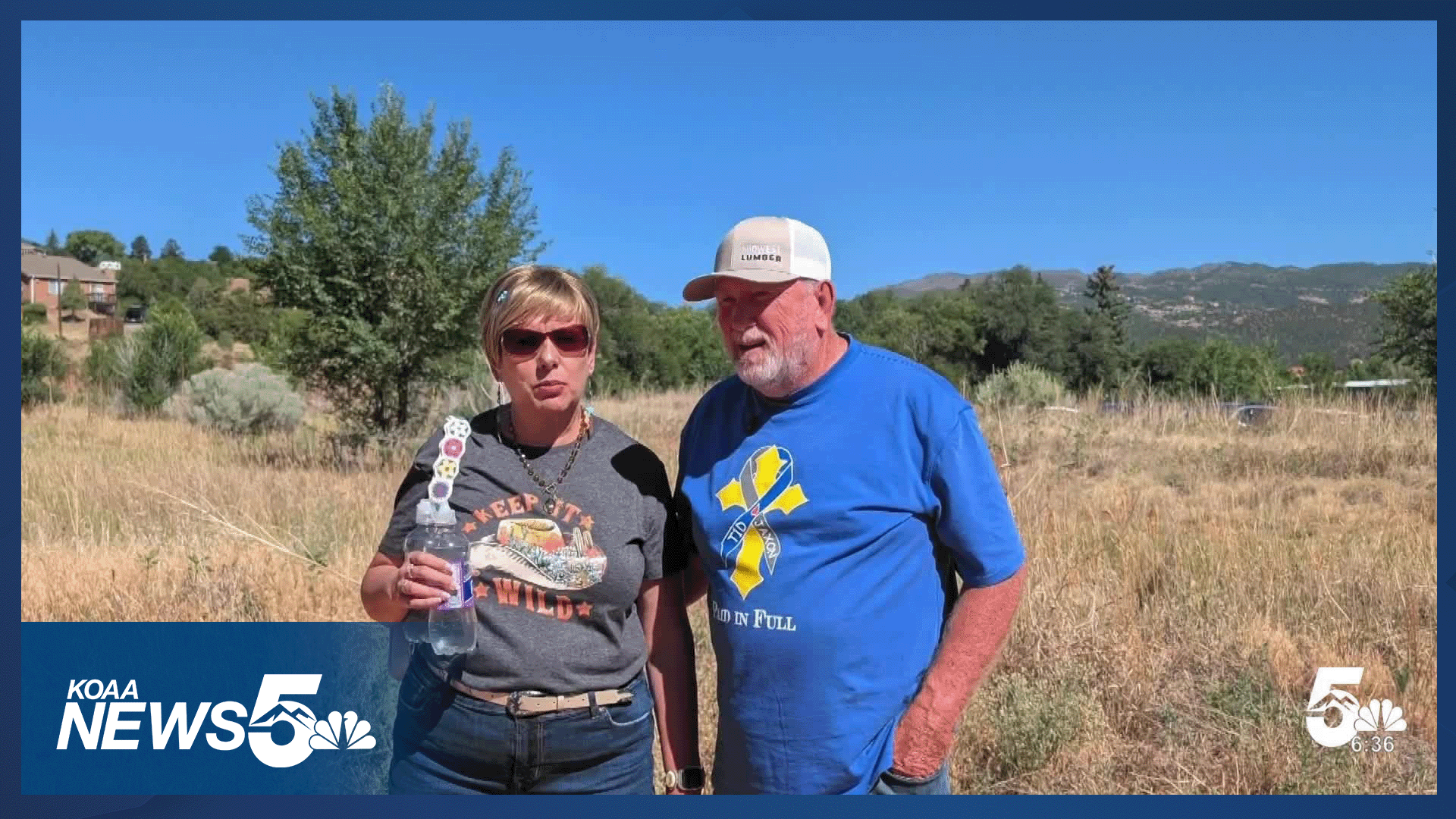
Kim Cantorna, a Monument resident, said the smoke forced her to change her daily routine.
"Yeah…we couldn't go out for walks sometimes because the smoke was so thick and the smell was really bad…and with respiratory issues....it's not good and it's not good for [our pets] either.", gesturing to her dog Fritz.
Alison Fenlon, a Colorado Springs resident, said she noticed the effects as well.
"I think I had some smoke allergies, but that was about it. It's just a lot of staying indoors; not a lot of exercising during the day."
The smoke has often been worse in the mornings, due to a common Colorado weather setup called an inversion. An inversion happens when warmer air sits on top of cooler air near the ground, acting like a lid on the atmosphere. That lid traps smoke and other pollutants, preventing them from dispersing and worsening air quality.
The bad smell isn't always just from burning wood. When structures burn, they can release toxic chemicals into the air. Visitor Chris Burton described the odor.
"Yeah, almost like burnt rubber or something like that…like a burnt rubbery smell."
How to tell when the air is unsafe
A simple starting point is the five-three-one visibility rule:
- Under 5 miles: Air is unhealthy for sensitive groups, including children, the elderly, and those with respiratory issues.
- Under 3 miles: Everyone should limit time outdoors.
- Under 1 mile: Air is unhealthy for everyone, and you should remain indoors.
For a more precise measurement, the Air Quality Index, or AQI, is a color-coded scale running from 0 to 500 that measures pollutants. The key number is 100.
- Above 100 (Orange): Air is considered unhealthy for sensitive groups.
- Above 150 (Red): It becomes unhealthy for everyone to do strenuous outdoor activity.
If you must be outside in smoky conditions, a properly fitted N-95 mask can help filter fine particles, but it won't protect against toxic gases.
While the skies are clear for now, last winter's low snowpack means fire danger remains a concern, even with monsoon moisture on the way (though the moisture will still help). Checking visibility or the AQI before heading out can help you make the right call to protect your health.
This story was reported on-air by a journalist and has been converted to this platform with the assistance of AI. Our editorial team verifies all reporting on all platforms for fairness and accuracy.
____
Have a question or story idea you would like the First Alert 5 Weather team to consider? Email: weather@koaa.com
Watch KOAA News5 on your time, anytime with our free streaming app available for your Roku, FireTV, AppleTV and Android TV. Just search KOAA News5, download and start watching.
