

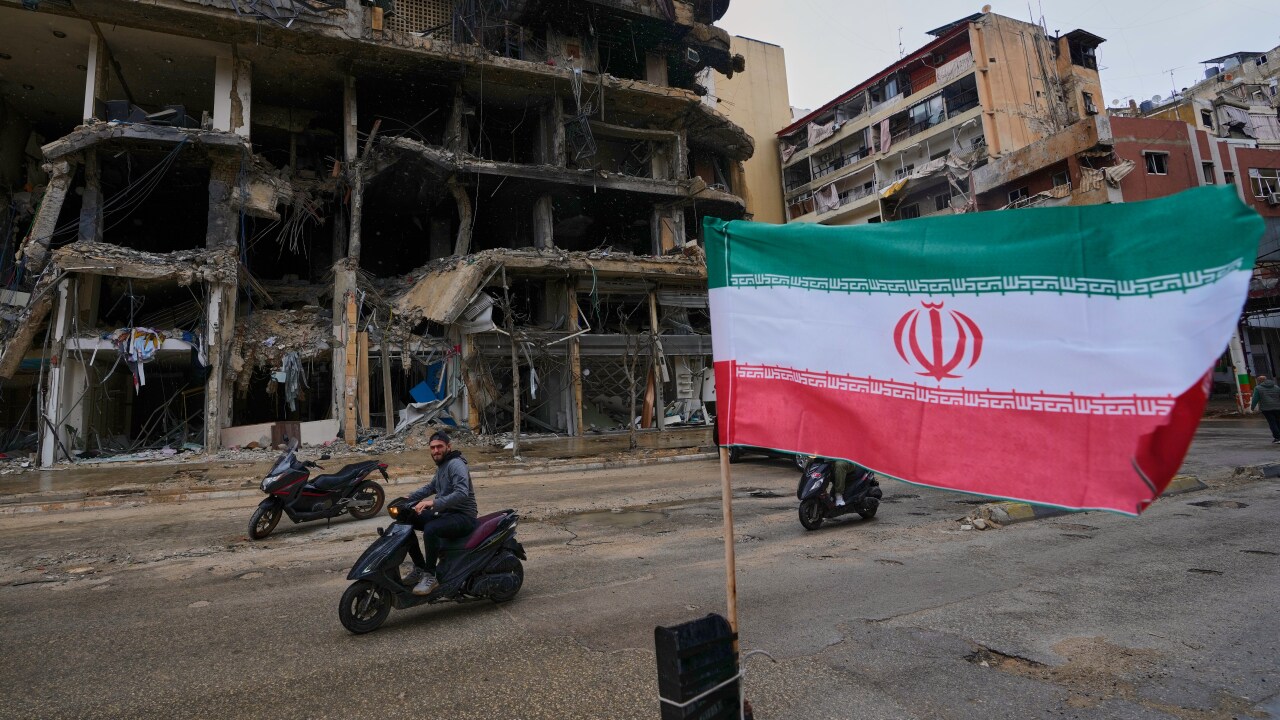


A second round of talks between Israel and Lebanon are expected in Washington on Thursday, U.S. and Israeli sources confirm to Scripps News, as negotiators work to maintain a fragile truce between the nations and explore possibilities of normalizing relations.
The talks will take place at the “ambassador-level” at the State Department, according to a Department official, mirroring the format to the first round of historic negotiations that took place there on Apr. 14, which the official described as “productive.”
“We will continue to organize direct and good-faith negotiations between the two governments,” the official added.
The source would not say which American officials are expected to participate in Thursday’s meeting. Secretary of State Marco Rubio, U.S. Ambassador to Lebanon Michael Issa and Counselor to the State Department Mike Needham all participated in the first round of talks, and U.S Ambassador to the United Nations Mike Waltz was also present for a photo opportunity before they kicked off.
An Israeli official familiar with the situation confirmed Israeli Ambassador to the U.S. Michael Leiter would represent his nation in the conversation. In a statement posted to social media, the Lebanese President Joseph Aoun said Lebanon would be represented by its former Ambassador to the U.S. Simon Karam, adding that “no one from Lebanon will participate in this mission or replace him.”
The current Lebanese Ambassador to the U.S. Nada Hamadeh represented her nation in the earlier round. It was unclear why she was not set to participate Thursday.
RELATED NEWS | US hosts rare talks between Israel and Lebanon, but a ceasefire remains elusive
The talks earlier in April represented the first such direct negotiations between senior Israeli and Lebanese officials in more than 30 years, and helped lead to the announcement of a 10-day ceasefire between the nations. In remarks to reporters following the meeting, Leiter suggested the countries were “on the same side,” united against Hezbollah, though he stressed Israel would continue to go after targets that threaten Israeli security.
Hezbollah’s leaders, for their part, have rejected the ceasefire agreement as “an insult to our country” and “a slippery slope with no end in sight.” They’ve taken particular issue with Israeli military officials maintaining a presence in Lebanon.
Israeli and Hezbollah fighters have continued to exchange fire after the ceasefire took effect. The IDF as recently as Monday afternoon confirmed a strike on Hezbollah, claiming officials “eliminated terrorists who violated the ceasefire understandings in Southern Lebanon and approached the troops, posing an imminent threat.”
Despite the apartment ceasefire violations on both sides, Israeli and Lebanese leaders claim the truce remains in effect.
In his Monday statement, Aoun said Thursday's talks were intended to “halt hostile actions, end the Israeli occupation of southern areas, and deploy the army up to the internationally recognized southern borders.”
“The upcoming negotiations are separate from any other negotiations because Lebanon faces two options: either the continuation of the war with all its humanitarian, social, economic, and sovereignty repercussions, or negotiation to put an end to this war and achieve sustainable stability, and I have chosen negotiation, and I am full of hope that we will be able to save Lebanon,” he concluded.
