

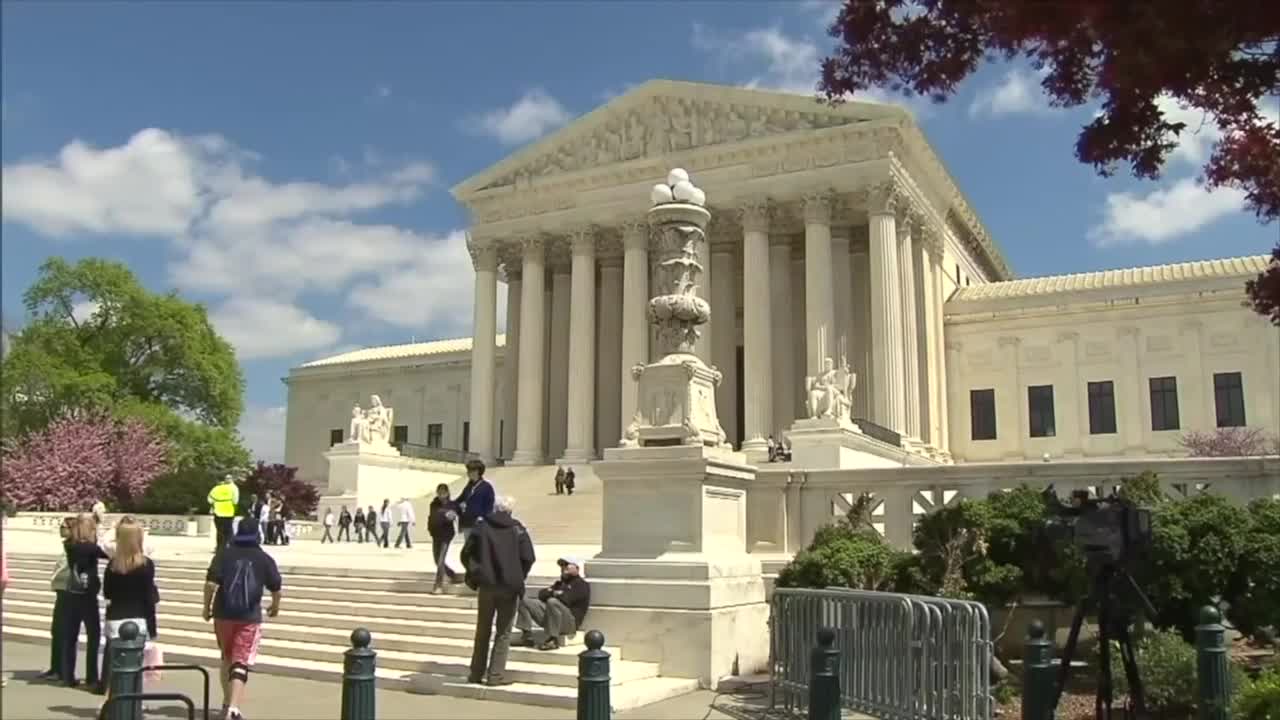


WASHINGTON, D.C. — The Supreme Court added a new case to its docket Monday that could determine if Boulder County and other local governments can legally hold oil companies accountable for climate damage.
“Our case is, fundamentally, about fairness. Boulder is already experiencing the effects of a rapidly warming climate, and the financial burden of adaptation should not fall solely on local taxpayers,” said City of Boulder Climate Initiatives Director Jonathan Koehn in a statement to the Scripps News Group. “We are hopeful that the Supreme Court will not hamstring our right under Colorado law to seek the resources needed to build a safer, more resilient future.”
Boulder County, San Miguel County, and the City of Boulder originally filed the lawsuit against Suncor Energy and Exxon Mobil in 2018. They argued that the oil companies knowingly contributed to climate change.
The Colorado Supreme Court ruled last year that the lawsuit could move forward.
In response, Suncor and Exxon lawyers petitioned the U.S. Supreme Court to overturn the verdict, arguing that Boulder County can’t sue under state law and that the federal government must bring claims for injuries caused by interstate pollution.
Boulder County and the City of Boulder say they face high-rising costs to address the impacts of climate change. Costs related to wildfire mitigation and response, pine beetle infestations, drought conditions, and income losses from damaged agricultural property. Millions of dollars in costs, they say, would otherwise fall entirely on local taxpayers.
Climate advocates say it’s more important than ever to hold these companies accountable, since the Trump Administration has been rolling back regulations on greenhouse gas emissions.
“Their own scientists had been telling them that greenhouse gas pollution was going to lead to rising temperatures, rising sea levels, forest fires and other climate disasters around the world, and they continue to press forward with more extraction, more burning, more opposition to energy efficiency and renewables, and they've never been held accountable for what really amount to crimes against humanity, said Climate Law Institute Legal Director Jason Rylander.
The Supreme Court’s decision could trigger a wave of climate litigation, as energy companies say they are facing billions of dollars in lawsuits in state courts, including a California lawsuit against five major oil companies.
The Supreme Court will likely hear oral arguments in the fall, and a decision could happen before the end of 2026.
