



DENVER — A year of work, two versions of a bill, and an uphill battle with massive corporations later, Colorado lawmakers have implemented what they believe are the strongest safety regulations on rideshares in the country.
On Tuesday, Governor Jared Polis signed House Bill 26-1424 into law administratively. Last year, Polis vetoed a similar version of the legislation.
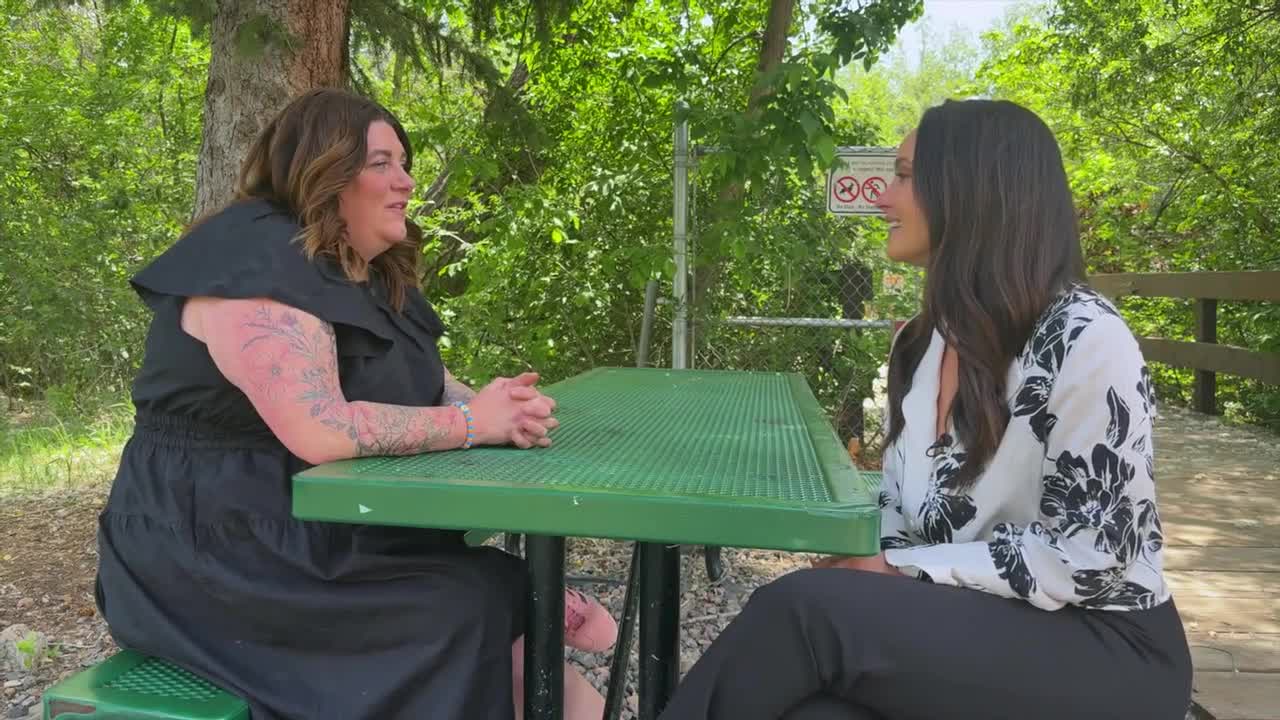
"I am very excited. It's bittersweet in many ways," said State Rep. Jenny Willford, D — District 34. "I ran a bill in 2025 that carried many of the same provisions. It was vetoed and came back again this session. We continued to work with stakeholders to make sure that the policy we were putting forward would be protective of both drivers as well as riders.”
For Willford, the signing of HB26-1424 creates changes in the law that survivors of crime in Colorado have been demanding.
Those are demands she deeply understands.
"I ran this legislation as a survivor and was supported by other women, and it meant the world to me," Willford said.
At the start of the 2025 legislative session, Willford announced a lawsuit against Lyft, which claimed the company is aware of a "systemic problem of sexual assault on passengers." According to the lawsuit, Willford was sexually assaulted by a man pretending to be a Lyft driver in February 2024.
“It's why I am here to say that Lyft needs to take their systemic problems of sexual assaults, fake profiles, sold or rented profiles, and profile sharing very seriously and do something now," Willford said during the 2025 press conference. “What happened to me never should have happened, and I don't want it to happen to anyone else.”
Last year, Willford worked on House Bill 25-1291, which had several goals similar to those of the proposal signed into law this year. The bill from 2025 would have, among other things, required regular criminal history checks for drivers, initiated a review of drivers for deactivation when complaints are filed, and banned any offers of food or drink between riders and drivers.
While HB25-1291 was being considered in the Colorado State Capitol, Uber threatened to end operations in the state if it was signed into law. Lyft sent Polis a letter asking him to veto HB25-1291 10 days before he issued his decision.
In Polis' letter explaining his decision to veto the legislation, he said such a change in the law would "impose unworkable regulations" on companies like Uber or Lyft, and "potentially jeopardize their continued operation in Colorado."
“It was definitely heartbreaking to have a bill that was so personal and so timely vetoed," Willford said. "People shouldn't have to wait for safety.”
The governor continued to say in his veto letter that "enhancing safety in rideshares is a goal I share," directing the Colorado Public Utilities Commission (PUC) to review the current rules on rideshares and "strengthen them where authority currently exists — with a particular focus on safety, specifically including strengthened driver impersonation and penalties."
“We heard from so many survivors who had gone through horrific circumstances, who had shared their stories and sent a letter to the governor asking him to sign the bill, and I have to hope that weighed on him, and hope — shoot, I hope it kept him up at night, because it kept me up at night," Willford said.

Local
Survivors of Denver rideshare driver found guilty of kidnapping, assault speak
HB26-1424 establishes a number of safety requirements for companies like Uber and Lyft, including a mandate for criminal history checks every 6 months after the initial background check, which would apply to roughly 35,000 rideshare drivers in Colorado.
In addition, transportation network companies are required to respond to a law enforcement subpoena or search warrant within 72 hours of the request.
The new law ensures that drivers and passengers can decide whether they want a ride recorded in audio or video.
Transportation network companies must also submit annual data connected to safety and discrimination incidents to the Public Utilities Commission (PUC), the Colorado Attorney General, and the General Assembly.
“We're actually getting real data annually that tells us a greater story about what is happening in these vehicles, and it's data that the companies can't explain away anymore," Willford said.

Willford said the signing of HB26-1424 stirred up a mix of emotions.
"I just wish that we would have been able to put safety in place more quickly," Willford said. "I shouldn't have to tell my story over and over again — other survivors shouldn't have to tell their stories over and over again — to simply force a company to do the right thing."
Still, she is proud the bill made it across the finish line this year.
"This bill really can be model legislation for every other state, because it shouldn't matter where in the United States you live; you should have safety guaranteed anytime you get into a rideshare," said Willford. “My hope is that other states look at adopting similar legislation, and that they go further.”
