

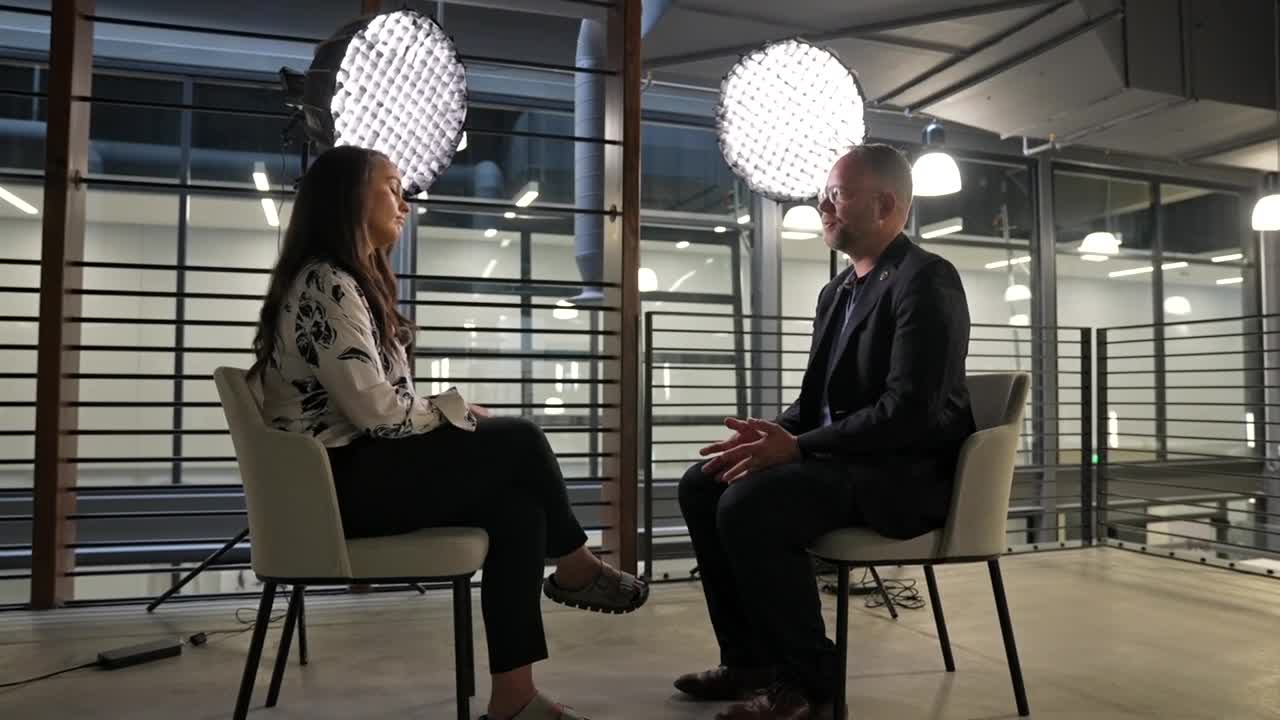


DENVER — Calls for regulating the death care industry, which was largely unchecked for decades in Colorado, have been a balancing act for state lawmakers. Between the chilling crimes that received national attention and members of the industry who have worked to preserve the integrity of the practice, came a sweeping bill signed into law this year that builds upon new regulations already implemented.
House Bill 26-1258 was a bipartisan piece of legislation with a number of goals. Those included increasing the abuse of a corpse charge from a Class 6 felony to a Class 5 felony to allow harsher penalties for the crime, clarifying how the new licensing program for funeral home operators will function, and streamlining the fees connected to new regulations.
Beginning next year, funeral home directors will be required to obtain a license in Colorado. Currently, there are just a few requirements needed to operate a funeral home, including being over 18 years of age and not having a criminal record. That will change at the start of 2027 because of Senate Bill 24-173, which established licensure that Colorado was missing.
HB26-1258 was largely considered a "cleanup bill," and an emergency rulemaking session with the Department of Regulatory Agencies (DORA) was held on Monday for a number of the new regulatory guidelines. The deadline to adopt such rules is Tuesday, Sept. 1.
As part of the legislation, all entities must be registered as funeral establishments, encompassing both funeral homes and mortuaries. That creates new registration requirements that are distinct from previous funeral home and crematory registration, in addition to enforcement language for new licensed professionals.
“What DORA is doing today has to be done. Otherwise, all the funeral homes in Colorado that have now converted to a general funeral establishment license, they wouldn't be able to just file one piece of paper and renew. They would have to go back through the full process to show that they're an active funeral home, that they've had an inspector look at their funeral home, and then reapply for everything," said State Rep. Matt Soper — R, District 54, who was a sponsor of the legislation. “It's an emergency because we're short on time. It's not an emergency because the sky is falling.”
New requirements for funeral establishments were also enacted, including registering any affiliate locations.
Soper, who has spearheaded several bills related to the death care industry, defined an affiliate location as a sort of satellite facility — a location that is separate from the central business hub for a funeral establishment.
"The reason why the state is interested in making sure affiliate locations do come into the regulation is because of the Return to Nature case in Penrose. That technically was an affiliate location because the funeral home was really located elsewhere," Soper explained. "That was really just their warehouse where they were storing bodies, as gruesome as that may be. The state still wants the ability to, at least periodically, take a look at an affiliate location. And if we didn't define that, then it would just not be able to be regulated.”
In Oct. 2023, almost 200 bodies were discovered decomposing at Return to Nature Funeral Home in Southern Colorado. According to Tanya Wilson, her mother was one of the people found inside the funeral home.
“We trusted an industry that we didn't know that we couldn't trust," Wilson said. “We trusted Return to Nature to do what they promised, and this is not what we got in the end.”
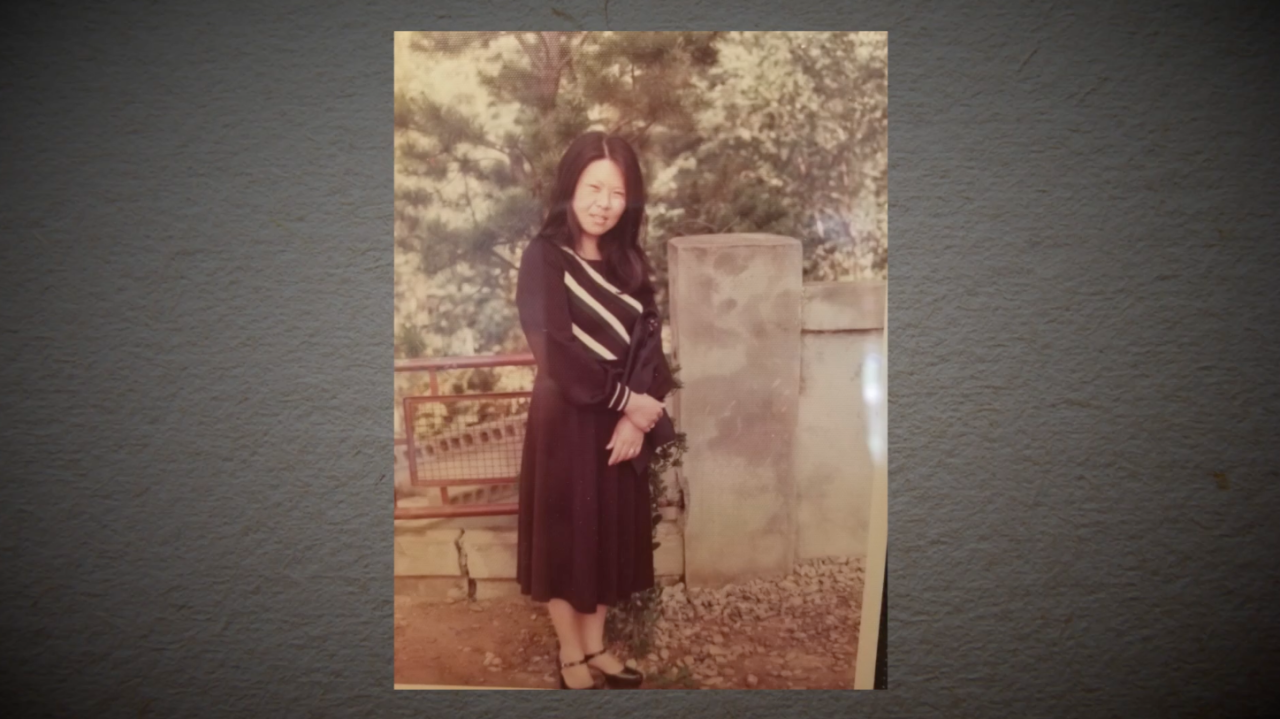
Wilson's mother, Yong Anderson, was sassy, loved to cook, and took care of everyone around her. Wilson said her mother was one of the hardest-working women she had ever met.
When Anderson died in the summer of 2023, the family brought what they believed to be her remains to Hawaii and released them into the ocean.
“It was perfect. It was beautiful. The sun was setting, the waves were gentle," Wilson remembered. “We did exactly what she wished for us to do, or so we thought.”
A couple of months later, Wilson said the family was alerted by the FBI that Anderson was one of the people inside of Return to Nature.
“We need to make sure that this never happens to anybody else, ever again," said Wilson.
Wilson told Denver7 she submitted written comments for DORA to consider as part of their emergency rulemaking process.
“We can't just assume that a business, if they choose not to renew their registration or it lapses or for whatever reason, we can't just assume that they've closed out all of their operations properly," Wilson said. "We can't make the assumptions that these businesses are doing what they're supposed to be doing. If somebody had gone to the Penrose location to ensure that all their operations had been closed out, that there were no remaining human remains in the building, that everybody had been properly accounted for, disposed of, all records have been reconciled — then none of us would be in the position that we are in right now.”
She supports more oversight on affiliate locations within funeral establishments.
“There should be more transparency. Families should never have to guess what locations are being used in their normal business operations, whether it's storage or warehouses or even just other administrative offices, and those places should also always be open to inspections at any time," Wilson said.
Meanwhile, on the Eastern Plains of Colorado, Jimmy Brown has operated Brown Funeral Homes with his wife since 1992. Brown told Denver7 he has always advocated for licensure within the profession, and overall, is satisfied with the work being done in the space.
"We're encouraged by what we see, and we believe that the state is — the regulators are — being open-minded about this, and so we're proud to be a part of this process," said Brown.
Brown's concerns with HB26-1258 largely stemmed from the new regulations regarding affiliate locations.
"Some of our smaller communities we have locations in, we'd like to see the rule allow for limited time visitations and to allow for families to be able to come and pay their respects to their loved ones in those locations," Brown explained. "And to be able to pick up, you know, cremated remains. So, families can take those into their care at these locations. And as the rule currently stands, those two things would be prohibited in affiliate locations.”
A former funeral director who worked in Kansas, Aaron Kucharik, said Colorado's death care industry had a poor reputation a few years ago.
“If you lose your license in any other state, you just move to Colorado to be able to practice," Kucharik said, explaining the mindset he heard from other funeral home directors.
Kucharik has since helped advocate for families of victims connected to Colorado funeral home crimes.
"I hope regulators don't just listen to the industry. I hope they listen to the families that have been impacted and everybody else that is involved," said Kucharik.
According to a DORA spokesperson, the rules will become effective once they are filed with the Colorado Secretary of State. That is expected to happen on Tuesday morning.
Another rulemaking session will be held to address the remaining regulatory portions of the bill at a later date.
"I believe Colorado has shown the world this is how you can regulate an industry with balance, and how you listen to the victims of these horrendous crimes," Soper said. “You also have to listen to the industry because we don't really want to kill off our funeral industry.”

The death care industry was first regulated in Colorado in 1913. By 1983, it was deregulated, and individuals no longer needed to obtain a license to operate a funeral home.
In 2018, Colorado was shocked by an investigation into Sunset Mesa Funeral Home directors on the Western Slope, which was shut down that year as the Federal Bureau of Investigation (FBI) investigated the funeral home that doubled as a body broker. In that case, human remains were sold without permission while families received containers of ashes that were not their loved one's.
As a result, Senate Bill 18-234 became law, regulating non-transplant tissue banks in Colorado.
In 2020, the state legislature passed House Bill 20-1148, which made abuse of a corpse a Class 6 Felony.
The legislative session that followed the disturbing 2023 discovery at Return to Nature Funeral Home resulted in new laws for Colorado as well. One of those was House Bill 24-1335, which included the requirement for routine inspections of funeral homes and crematories.
The state has published a consumer guide to death care in Colorado, a list of frequently asked questions, a licensing guide and an inspection form.
In addition, there are videos detailing how to file a complaint and explaining the complaint process. There's more information about filing a complaint on the state website as well.
In order to obtain a list of licensees and their associated disciplines, visit this link on the Division of Professions and Occupations' website. Then, click on the "plus sign" next to Board/Program and select a license code. Click "continue" at the bottom of the screen, The resulting pop-up menu can create an Excel spreadsheet, which allows the entries to be sorted by name, license number, status, disciplinary actions and more.
An individual license can be searched at this link by clicking "verify if your professional is licensed/registered" and then entering information about the license in question.
