



DENVER — Weeks of painstaking work have come together into a finalized budget package that resolves a budget deficit of more than a billion dollars in Colorado.
However, the solutions identified for the massive shortfall come at a cost — one that will dramatically impact the state's Medicaid program, which has grown at a larger rate than any other portion of the budget.
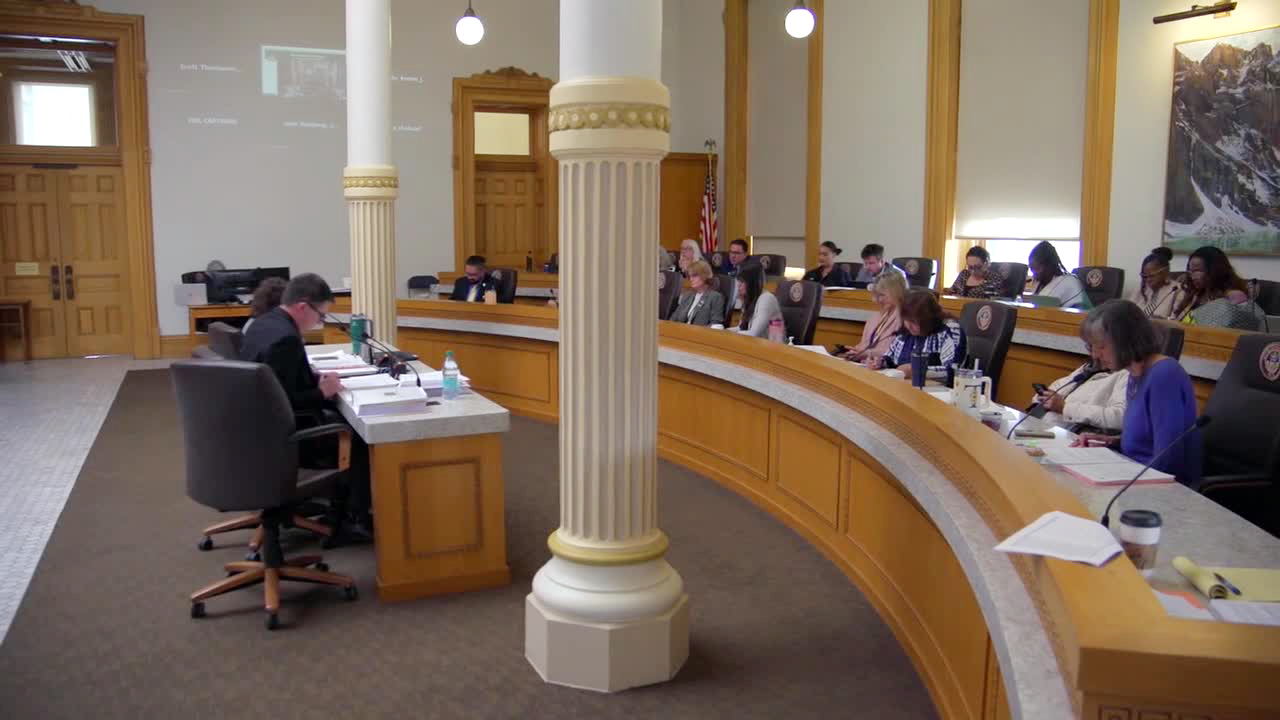
With the package of 65 bills, including the Long Bill and 64 accompanying pieces of legislation, bipartisan lawmakers have accomplished their annual task of balancing the state budget. Now, it's up to the rest of the General Assembly to concur with their proposals.
"This is an incredibly difficult budget," said State Rep. Kyle Brown, D — District 12, who serves on the Joint Budget Committee (JBC) and is one of the lawmakers tasked with preparing budget recommendations for the General Assembly. "Medicaid represents a third of our overall general fund spending, so it is very difficult to balance a budget without addressing some of the inherent increases in costs in the Medicaid budget.”
The Department of Health Care Policy and Financing (HCPF) administers Colorado's Medicaid program, which makes up roughly one-third of the total General Fund appropriations for the next fiscal year.
A number of factors have led to the skyrocketing of the Medicaid program cost. Those include more people utilizing the services, an increase in provider rates, and medical inflation that has meant higher prices for long-term care, prescription drugs, and behavioral health care.
“There's no one reason," said Brown. "But, we are getting older and people need more services as they get older. We have also made important policy decisions that we want to make sure that people have care, and that regardless of who you are, where you come from, that you have the access to health care," Brown said. "Health care is a human right, and I think Coloradans really believe that. We are now having to grapple with, sort of our blue-state values, but our red-state budget.”
Medicaid costs are rising at roughly 9% per year, which is about three times more than the cap on state government growth set by the Taxpayer's Bill of Rights (TABOR), which Colorado voters approved in 1992. TABOR limits the amount of money the state government can use and requires voter approval to keep excess funds collected.
In addition, Colorado's Medicaid program has ballooned by nearly one billion dollars a year, while still serving approximately the same eligible population with the same services.
Among the cuts being weighed at the Capitol for Medicaid are a 56-hour per week compensation cap for caregivers fully implemented by July of 2027, and a 2% reimbursement reduction in provider rates.
“The worst part about that is that it affects people. It affects kids, it affects folks with disabilities," Brown said. “People will feel this, and it will be really hard.”
While there may be fundamental disagreements between the two parties on how Colorado has found itself in this situation, Republican lawmakers are also worried about what the budget cuts will mean for individuals who rely upon Medicaid.
"It has grown and grown and grown, far beyond inflation," said State Rep. Chris Richardson, R — District 56. “You can't just say 'We're going to cut off the people that deserve to be taken care of.'”
However, Republicans do not believe TABOR plays as much of a role in this predicament as Democrats.
"It's an easy thing to blame," Richardson said about TABOR. "If you remember, three or four years ago, we were getting big TABOR refund checks because we were running multi-billion dollar revenue excesses. This year, we didn't make that revenue. Some of that's H.R.1, but a lot of it is the impacts that this building has put on small businesses and those that actually generate revenue to the state... There's been an impact, but the bigger impact is what we've done to ourselves.”
The package of 65 bills must still go through second and third readings in the Colorado House of Representatives before it moves to the State Senate for consideration.
