

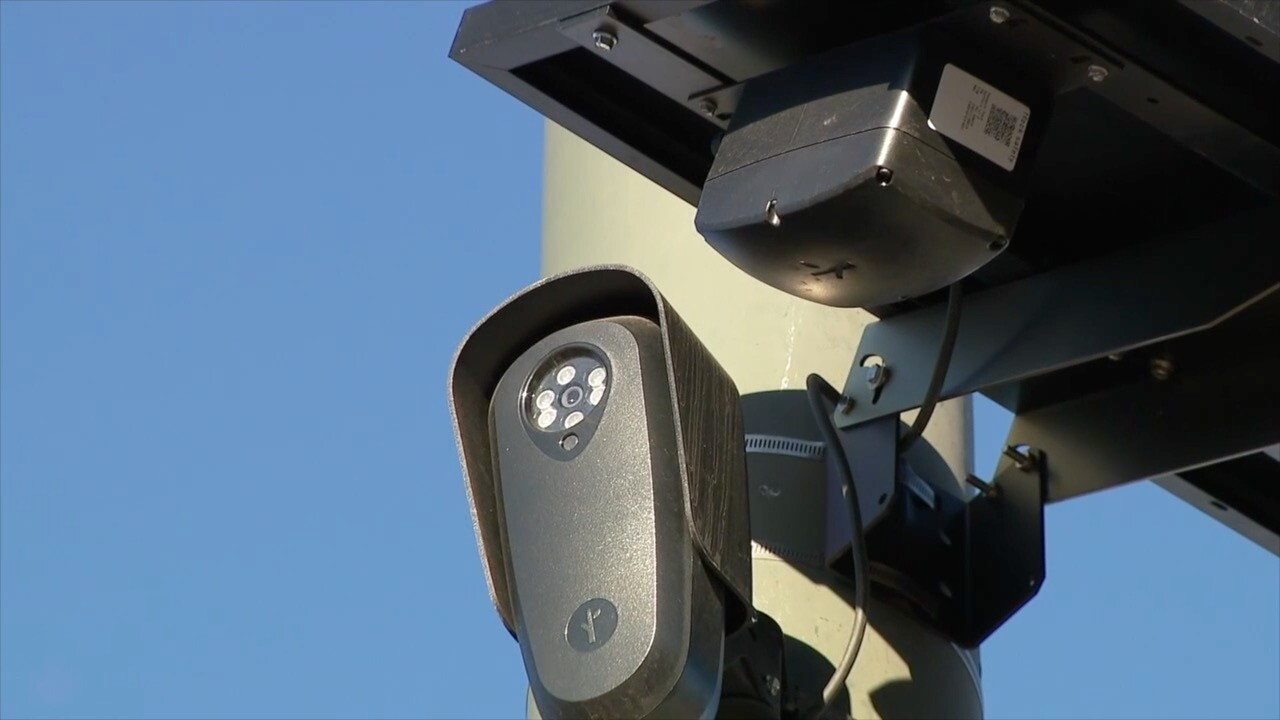


SUMMIT COUNTY, Colo. — Summit County will keep its contract with surveillance technology company Flock Safety, which has recently come under increasing bipartisan scrutiny over privacy concerns.
The announcement Friday by Summit County Sheriff Jaime FitzSimons comes after a 30-day pause in their use that began on Aug. 26 so the sheriff’s office could begin an internal review process and allow community members to provide feedback on the technology.
Watch more on Flock's response to bipartisan scrutiny about their technology in the video below:
FitzSimons said they considered community input alongside “our responsibility for the safety and security of Summit County residents and guests, as well as contractual, legal, and financial factors.”
"Flock is a tool that significantly enhances public safety. It is safe, legal, and it drastically increases our effectiveness,” said Summit County Sheriff Jaime FitzSimons. "For two years, we've used this technology to find missing people, conduct life-safety welfare checks, support mental health crisis response, and prevent, solve, and prosecute crime across our county.”
But the company hasn’t come without controversy across the nation.
In August, the Washington Post found nearly 50 instances of police officers charged or accused of using the cameras for unauthorized purposes, many for tracking current or former romantic partners or family members.
“There has never been an incident of misuse at the Summit County Sheriff’s Office,” FitzSimons said, adding that Colorado law, internal policy, regular auditing and thorough hiring and supervision of staff “provide robust and evolving safeguards.”
After conversations with “strong emotions on both sides,” FitzSimons said the Summit County Sheriff’s Office is implementing the following changes to how they’ll use Flock Safety cameras:
- Issue a new use policy governing how the technology is used and how information is handled.
- Limit the number and placement of cameras throughout unincorporated Summit County.
- Participate only in the Colorado Statewide network for information sharing.
- Image retention will be reduced to 7 days, down from 30.
- Engage with legislators as new laws governing this technology develop.
- Develop a robust ALPR Frequently Asked Questions section, posted to our website.
“Once the new policy is finalized, it will be posted to our website, and the cameras will be turned back on,” FitzSimons said.
Summit County takes different stance than other Colorado counties, cities
Though Summit County is keeping Flock cameras on its streets, the same can't be said for several other jurisdictions across the state.
Back in mid-August, Salida cut ties with the surveillance company over community concerns about privacy and civil liberties.
Earlier this year, Denver ended its relationship with Flock in a narrow vote by city council after the city banned the sharing of license plate reader data with the federal government last year.
By June, Fort Collins followed suit, shutting down their network of Flock license plate readers after city council voted to cancel their contracts with the surveillance technology company.
Denver7's Claire Lavezzorio talked with Fort Collins residents after the move was announced. Watch what they had to say in the video below:
In Wellington, residents there have raised questions about the type of data Flock is collecting. Denver7’s Northern Colorado and Eastern Plains reporter Peter Choi took those questions to the Larimer County Sheriff’s Office, which defended its use of Flock cameras and said audits of the system have not yet identified any improper use of Flock technology since adopting the system.
Those audits are something Flock CEO Garrett Langley told the Associated Press last month would now be part of a mandatory process that will be implemented across the company’s customers by Jan. 1. Flock, which says its customers own the data that the cameras record, is also shortening the standard data retention window from 30 days to seven. It said it will allow data to be preserved for longer when it is evidence tied to a case number.
Law enforcement users will now also be required to enter a code from their records management system tying each search to a specific case before it is run, something Langley said civil liberties advocates have long been calling for. Overrides for emergencies would be automatically flagged for review, the company said.
Customers will also be allowed to decide which offense types — such as homicide or arson — outside agencies can search their data for, which would allow a customer to block outside searches related to immigration enforcement, the company said.
Langley said that change will give individual cities and departments control to use the system in a manner “consistent with community values.”
Critics say updates still leave room for abuses, supporters urge balance
Critics of the company reacted skeptically to the changes, which they said appeared designed to address the growing bipartisan anger about the cameras but could still leave room for police to abuse the system, calling the system’s pervasiveness something akin to warrantless mass surveillance.
The American Civil Liberties Union said in a blog post that the shortened evidence retention window could be “a step in the right direction,” but it characterized the other changes as “retreads” of inadequate safety measures.
The Associated Press contributed to this report.
Denver7 is committed to making a difference in our community by standing up for what's right, listening, lending a helping hand and following through on promises. See that work in action, in the videos above.
