



DENVER — Colorado breweries, squeezed by tariffs, now face soaring aluminum costs as global conflict drives prices to record highs.
Alyssa Hoberer, the co-owner of Full Frame Beer and Coffee at the intersection of 20th and Lawrence streets in Denver, said her one-year-old business has seen inventory costs surge.
"Just the cost of pretty much everything that we buy at the moment has just skyrocketed in the past few years," said Hoberer. "It's definitely more, way more expensive than we imagined it when we were even coming up with our business plan."
This struggle to manage costs affects both new and established businesses alike.
Barrels and Bottles in Golden has been open for 13 years, six of which have been at its Orchard Street location. Co-Owner Abby George said rising costs have forced them to reconsider hop suppliers.
"There's a certain hops that come maybe from Germany, that are harder to get, so we're having to kind of pivot to go, 'Okay, well, let's find a comparable hop that we might be able to use that's from the states,'" said George.
Both Hoberer and George work hard to keep prices steady for customers, though it's increasingly difficult.
"We do a lot of things ourselves," said George. "We do all of our landscaping; we do all of our own weddings."
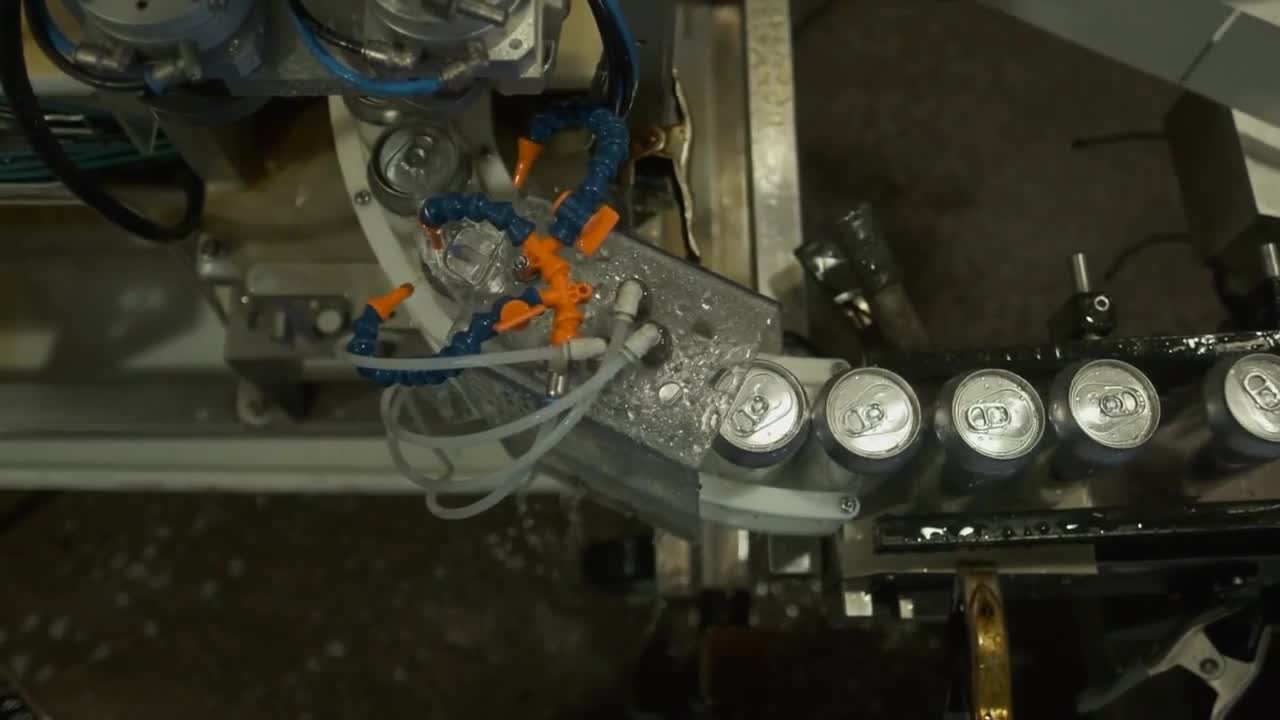
University of Denver director of supply chain management Jack Buffington explained that, due to tariffs and the ongoing conflict involving Iran, the cost of aluminum has surpassed $1 per pound, a level never before seen.
"It's a very difficult commodity market right now," said Buffington. "I used to work at Coors, and [the cost of aluminum] has gone up probably fourfold since I've been there."
And Buffington says the effect on Colorado's roughly 400 craft breweries is even greater. Hoberer, for example, says that while they don't can their beer on site, they want to begin canning and expand distribution outside the taproom.
"But I think the cost of all of that is really preventing us from doing it," he said.
So what will it take for aluminum prices to improve? Buffington says the answer is threefold.
"We need to produce critical minerals and metals here in the United States, number one," said Buffington. "Number two, energy costs have to go down. Number three, we need to recycle a valuable commodity like aluminum."
