


ESTES PARK, Colo. — Every year, thousands of visitors flock to Rocky Mountain National Park (RMNP), hoping to see one of the park's most iconic animals: Moose. But pulling back the curtain reveals an enormous problem. Their booming numbers are severely damaging, sometimes irreversibly, the park's fragile wetlands.
Now, park staff are deciding how to best manage the large animals while restoring that ecosystem.
"We're starting this park-wide wetland restoration and moose management planning process with the goal of halting the loss of wetlands where they still exist and restoring wetlands that have been degraded or lost," explained Will Deacy, large mammal ecologist for RMNP.

Deacy was one of a handful of speakers who guided a conversation about the issue during a virtual information session earlier this month. The purpose of it was to begin a conversation before RMNP begins laying out a formal plan, which will likely start in 2026.
Wetlands are notoriously difficult to restore once damaged and play a crucial role for both flora and fauna at RMNP.
“Wetlands are among the most valuable ecosystems in the park," said RMNP Superintendent Gary Ingram during the session. "They support highly biodiverse habitats, are critical to improving water quality, are popular recreation destinations, and limit wildfire severity."

With a swelling number of moose — which heavily rely on wetlands for both food and habitat — the National Park Service (NPS) is beginning a conversation with the public about managing the creatures to ease the strain on wetlands and allow them to regrow.
A brief introduction to RMNP's wetlands
In RMNP, tall willows are the specific species that "defines and supports and allows for regeneration of most of the park wetlands," Deacy explained.
Any place that is losing tall willows is "on a rapid path" to losing wetlands, he said.
While only about 4% of the park is considered wetlands, those ecosystems are "diversity hotspots" and are home to a variety of wildlife and many rare plants, Deacy said. About 20% of the park's mammals rely on wetlands.
Wetlands also attract human visitors, with many of the park's most popular trails winding through them.
They can hold water during drought, reduce flooding during heavy rain, act as a filter to improve water quality and hold back fires, Deacy explained.
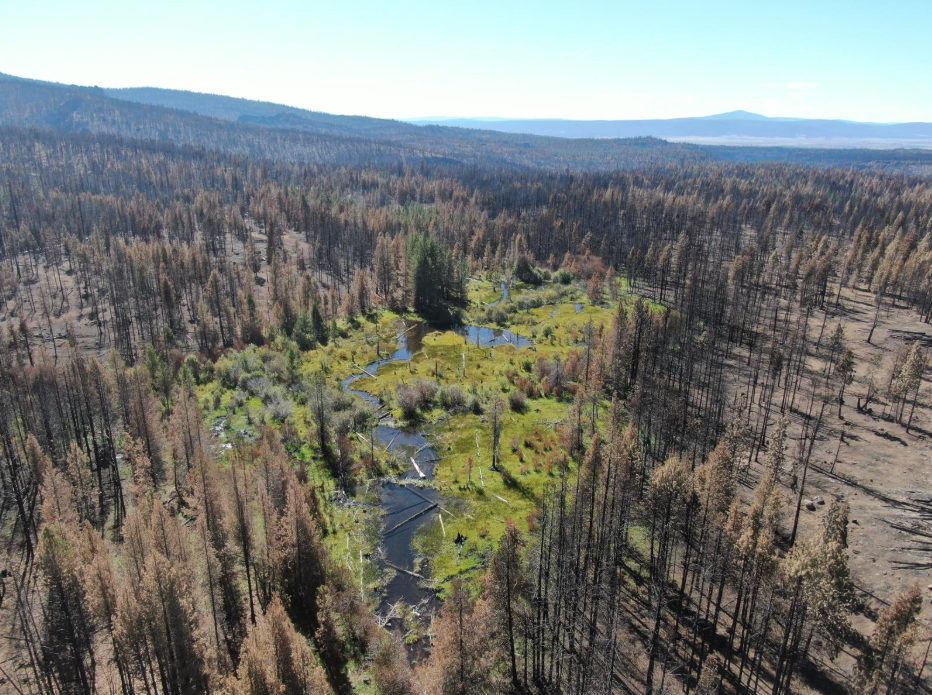
Beavers play a massive role in these ecosystems, as they use willow and aspen to build their dams, which hold back water or slow its flow, flooding banks and creating wetlands which — to complete the circle — allows for more growth of willow and aspen, he said.
But once damaged, restoring wetlands can be very difficult. And sometimes, it's an impossible task.
The loss of tall willows in RMNP is most dramatic on the west side of the park, where 98% of willow and aspen have disappeared from 1999 to 2019, Deacy said.

"We know more anecdotally that we're losing wetlands and willow across the entire park," he said.
Wetlands that are damaged over time can eventually transition to a grassland.
"And so that's changing from a wetland, which has all these amazing benefits, including lots of species richness, lots of recreational opportunities and benefits for people outside parks, to grasslands, which have fewer species, don't have those benefits and might be dominated by (non-native) species like Kentucky bluegrass," Deacy said.
What do elk and beavers have to do with RMNP's growing moose population?
To fully understand how moose are negatively impacting wetlands, you have to start with their cousin — the elk.
"When gray wolves and grizzly bears were extirpated, so were elk, because they were hunted for meat in the area, and they had to be reintroduced in the years just before Rocky Mountain National Park was created in 1915," Deacy explained.
With no predators and hunting prohibited within the park, their numbers skyrocketed. By 1945, RMNP staff had a plan to control the population.

It involved some culling and relocating the animals across other parts of North America. But in 1968, the NPS management system favored "natural regulation" — in short, let Mother Nature figure it out.
"Now, with the benefit of hindsight, we know that was a poor fit for Rocky," Deacy said.
By the 1990s, a chunk of the very large population of elk were no longer migrating. Instead, they stayed put through the winter and continued eating sensitive wetland vegetation year-round.
"So, that concentrated population of elk started having some serious impacts on willow and aspen, to the point where we're seeing some serious declines," Deacy said, adding that willows make up about 15% of an elk's diet.
Another animal reliant on the willows was unable to keep up — beavers.
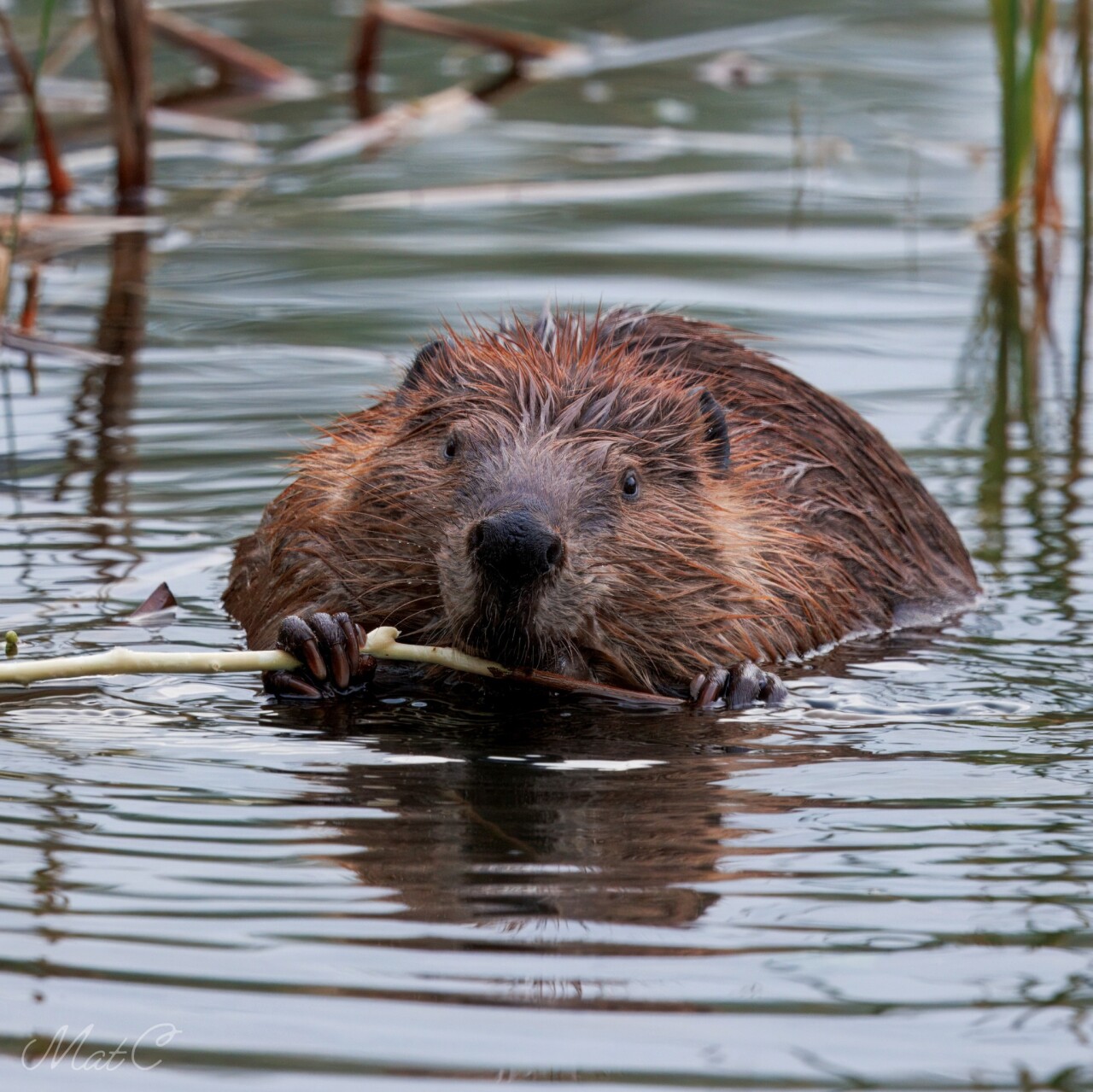
They use willow as both a food source and to build dams, which create wetlands, Deacy said. The number of beavers in RMNP started to rapidly decline after 1940 due to a period of trapping followed by elk out-competing them for the willows.
Fewer beavers meant fewer dams and diminishing wetland areas.
Numbers illustrate the impact:
- Moraine Park in RMNP had been home to about 315 beavers in 1940. A 2024 survey found a maximum of six, but most likely just three, living there.
- In the Colorado River drainage, scientists recorded 630 beavers in 1940 and just six in 2023.
These issues led to the creation of the Elk and Vegetation Management Plan, or EVMP, which was implemented in 2008. Its primary goals were to restore vegetation and rebalance the elk population.
This plan presented RMNP staff with two main tools.
The first was habitat fencing, or "exclosures," which allow vegetation a reprieve from grazing elk and moose. Smaller critters — including coyotes and mule deer — can easily go under the fencing. It was a clear and quick success, with obvious regrowth inside the fencing.

The second tool was elk culling. While hunting is illegal within the park, culling was permitted in this case.
"Culling is used as a conservation tool to reduce populations that have exceeded carrying capacity of their habitat," Dearcy explained. "And opposed to hunting, culling is done in a really controlled manner to minimize impacts on park operations or visitors or, you know, land holders outside the park."
Between 2009 and 2011, 130 cow elk were culled within the park. At the end of that timeline, researchers began noticing that the herds had changed behavior and started a natural migration again, Deacy said. Culling ended in 2011. Deceased elk that had chronic wasting disease were studied and those that were not were distributed to a meat lottery.
Overall, it looked like much of the EVMP had been successful. But there was one goal they had not reached: Recovery of plants outside the fencing.
There were two primary reasons for this, Deacy explained.
For one, the beaver population remains extremely limited today.
And second, the reason you likely opened this story — a massive increase in moose within the national park.
Balancing the exploding population of moose
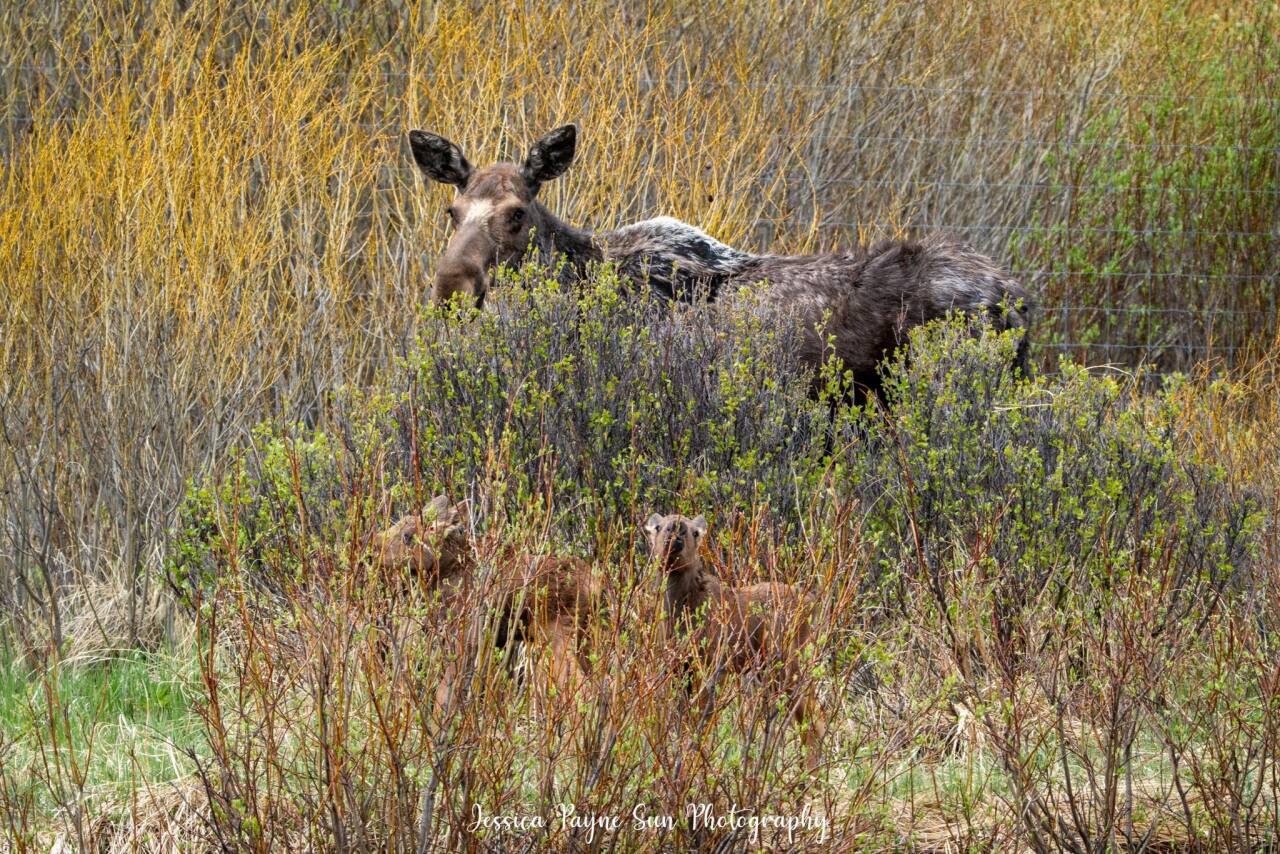
If you visit RMNP today, you have a decent chance of seeing moose somewhere on the trails, crossing the road or wallowing in calm waters.
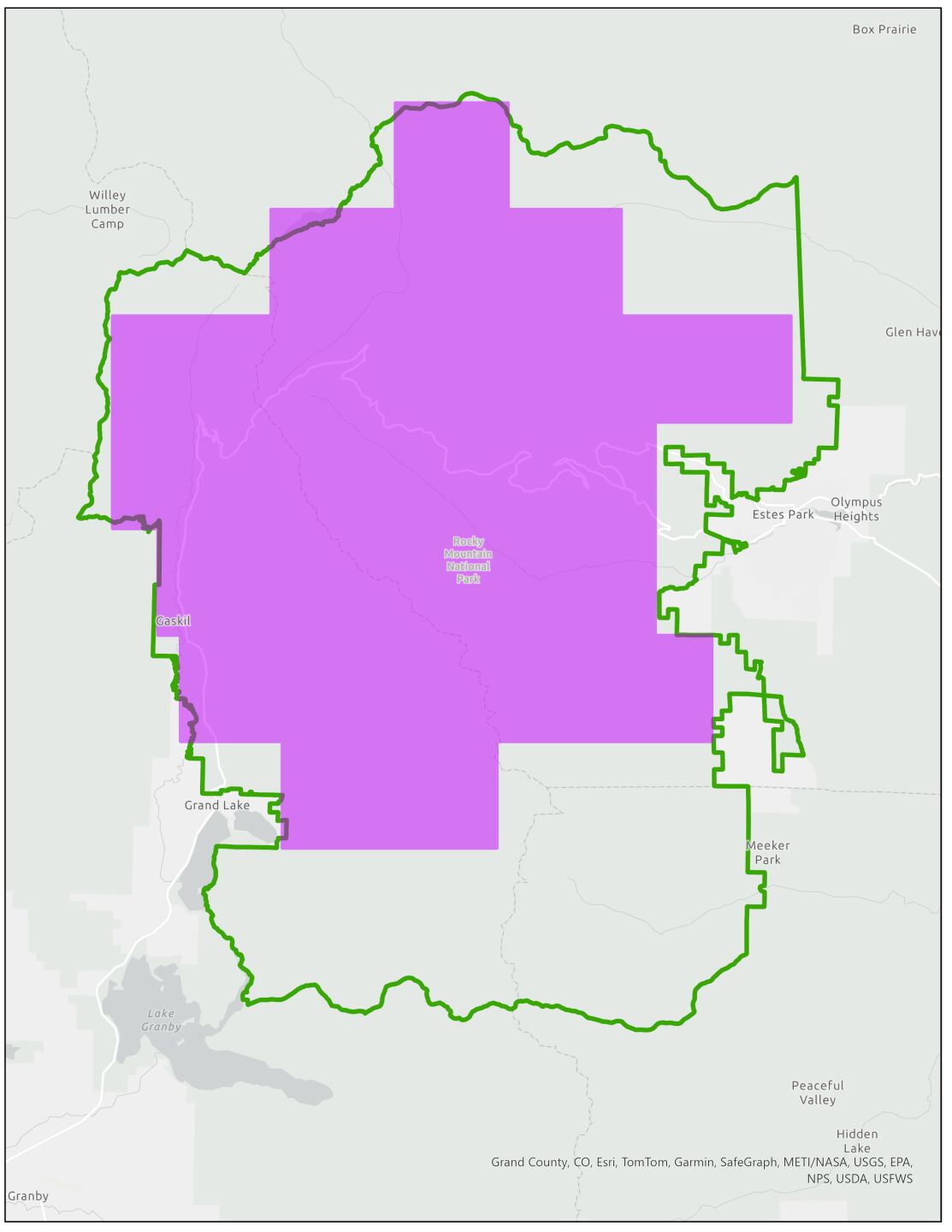
As of the 2024 estimate, about 3,620 moose now call Colorado home. Of those, an estimated 240 live within the national park boundaries, Deacy said. Many more, as the graph below illustrates, live nearby.

But that wasn't always the case. Moose were considered rare in the state until 1978 and 1979, when Colorado Parks and Wildlife translocated 12 of them from Utah and Wyoming into North Park, which is on the west side of RMNP. This was done to increase viewing and hunting opportunities.
This initially unfolded much like the elk reintroduction. With no natural predators going after adult moose and hunting being prohibited in the national park, that population of moose took off running over the following decades.
To monitor their growth, more than 70 moose have been collared since 2017. Starting in 2019, biologists have also performed aerial infrared surveys to try to count them and get a better grasp on their numbers. They did the same this past July.

“And the most important takeaway here is that moose density has increased 49% in the five years since 2020," Deacy said. "So, it's a pretty rapid increase in the moose population.”
That 49% increase applies to moose within the surveyed area, which makes up about 65% of the park.
"So, it's not the whole park, but it should be a good approximation of how moose density has increased in the park," a RMNP spokesperson told our Denver partners.
By no fault of their own, moose ecology is simply bad for wetland restoration.
The huge animals' favorite meal is willows — it's actually about 90% of their diet. One moose consumes about as much willow as 15 elk, Deacy said. Plus, they are mostly non-migratory, so their impacts are year-round as opposed to the migrating elk herds.
Take the estimated RMNP moose population of 240 and multiply it by 15, and those moose are impacting the wetlands in the same way 3,600 additional elk would, year-round, he said.
The stress on wetlands appears to have gone just beyond a tipping point, Deacy said, but the EVNP has prevented a "runaway event." This means that the wetlands are beginning to slip toward becoming grasslands — a process that park staff are trying to halt and reverse.

"And the key thing here is that if we do nothing at this point, then the natural forces in the ecosystem will turn these wetlands into grasslands, and we could very well lose many of these wetlands permanently. Or, optimistically, maybe with lots of effort, we could return them to wetlands in the future," Deacy said.
Recent CPW research has shown a decrease in the number of calves per cow outside of the park, which Deacy said is an early sign of "a population reaching or exceeding carrying capacity."
When Deacy was asked if gray wolves could help stabilize the population, he said it's not that simple.
"It's tempting to think that by returning wolves to the ecosystem, we can turn back time and reverse the process of loss," he said. "... And unfortunately, that's a simplified truth. ... If wolves are gone for many decades, maybe 100 years, from a place and so much has changed during that time, we can't expect that putting them back in the ecosystem will fix everything that's been changed."
Wolf diets are 95% elk and just a small percentage are moose, he added.
Toward the end of the session, Deacy stressed that he, and many of his peers, love the park's wildlife — moose included. He said he didn't want this planning process to seem like that wasn't the case.

Discover Colorado
We can't get enough of these adorable photos of twin moose calves in RMNP
"I think moose are really cool," he said. "Other people that I work with think moose are super cool, and just because we're working on this project doesn't mean that we don't think that that's true. It's just that we're in a situation where we have to protect these resources for lots of different species, and the research is pointing towards moose being a significant issue in this problem."
And so the first few steps toward a management plan for moose have started.
"This is not a natural situation that we're in," he continued. "All of these steps were human-caused. And unfortunately, we're in a situation where it's likely going to take human action to return us on the other side of this threshold and let wetlands become restored."

How to have your voice heard
The NPS is welcoming members of the public who are passionate about national parks and conservation to offer their input.
In addition, RMNP has public volunteer willow restoration projects to help revegetate the areas. The park will post about these opportunities on its social media.
The NPS is asking for public feedback, especially on the following questions:
- Are there specific management approaches that park staff should consider to balance moose populations with wetland conservation?
- What issues or concerns should park staff be aware of as the project planning progresses?
The comment period will continue through Jan. 8, 2026, at midnight. Click here to provide feedback.
