




JEFFERSON COUNTY, Colo. — Colorado's sports betting industry is generating record tax revenue, and much of that money is flowing directly into water conservation efforts across the state.
The Colorado Division of Gaming said sports betting tax revenue hit an all-time monthly high in January, generating more than $5 million. State officials said that surpasses the previous record of nearly $4.8 million in tax revenue collected last October.
The majority of the revenue funds the Colorado Water Conservation Board's Water Plan Grant program, which awards grants for projects focused on water conservation, agriculture, water storage, watershed health, and recreation. Since sports betting became legal in Colorado in 2020, the state's Division of Gaming said it has raised more than $100 million for water conservation, and expects to hit $120 million after this fiscal year.
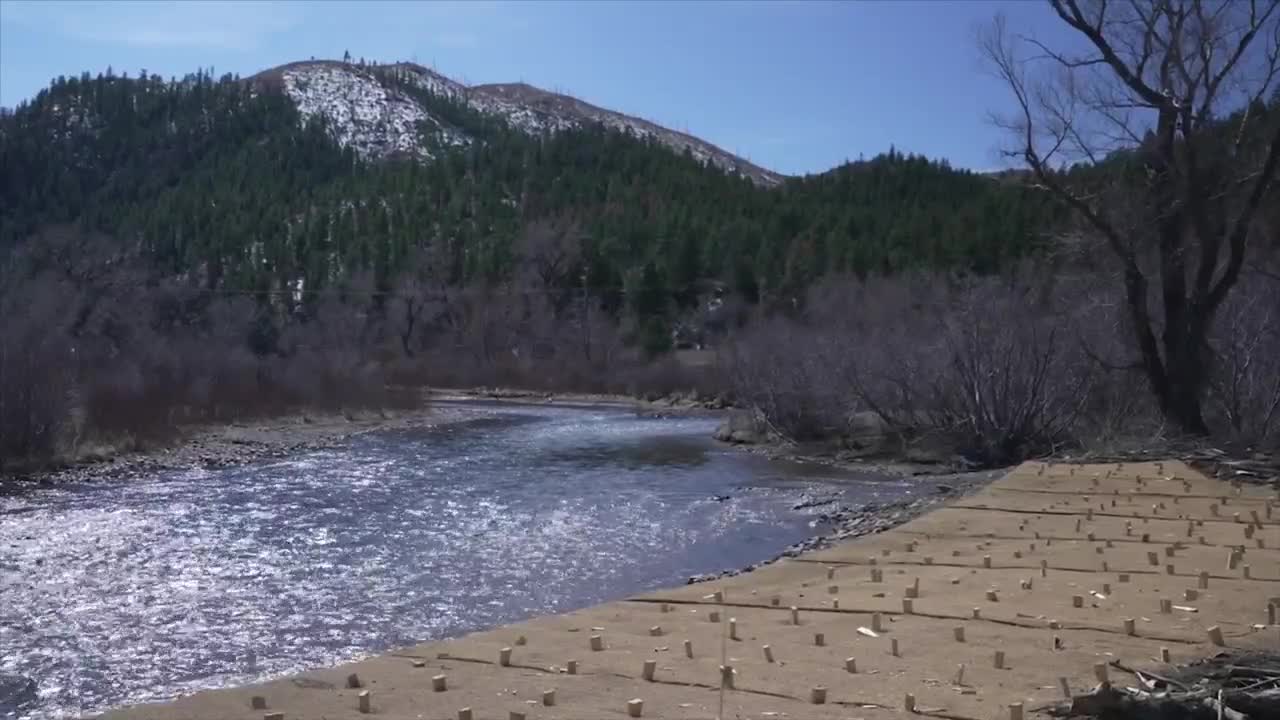
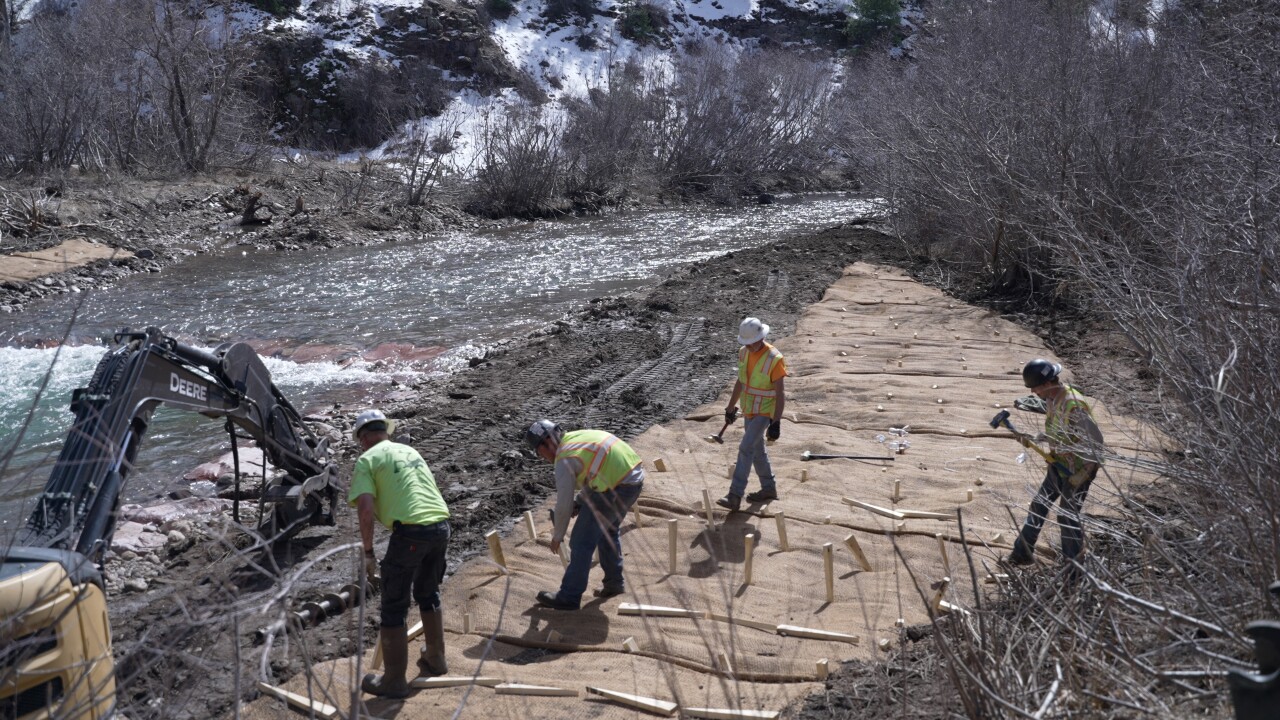
Maggie Bryan went to Jefferson County to see one of the water projects funded by sports gambling tax revenue. The Lower North Fork Sediment Stabilization project along the North Fork of the South Platte River aims to address erosion and reduce sediment entering the Strontia Springs Reservoir, where about 80% of Denver's water supply passes.
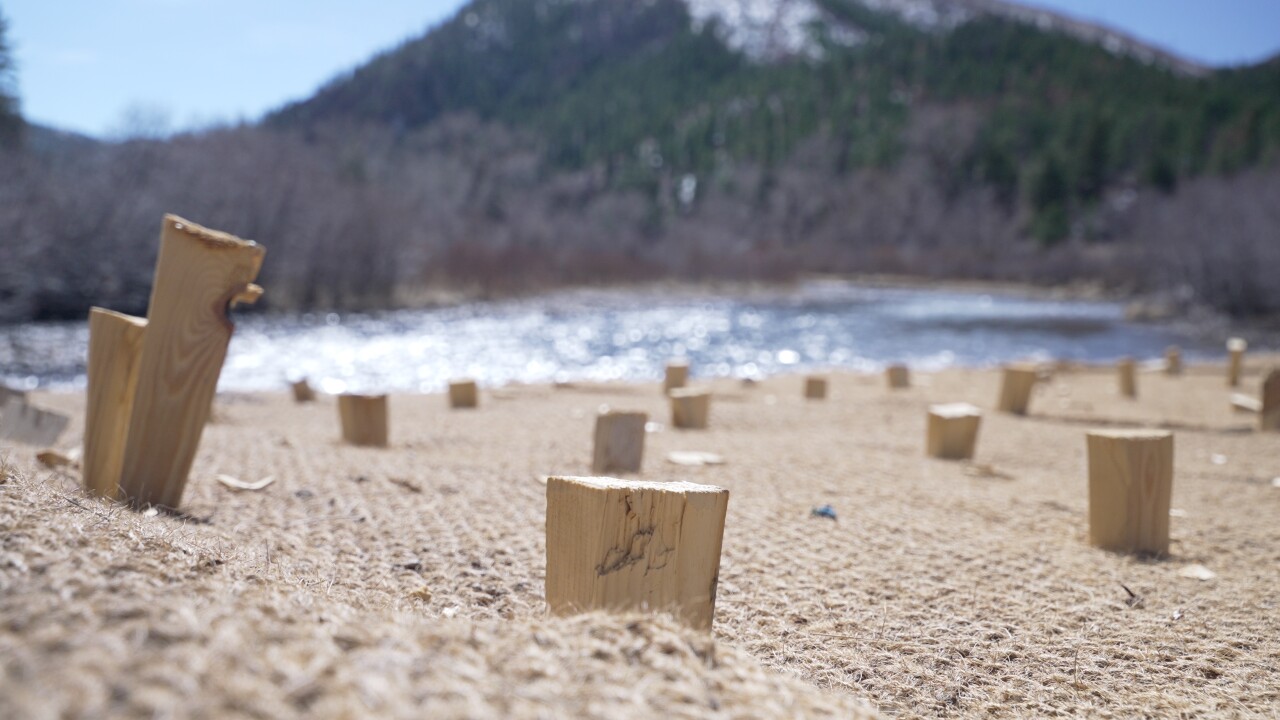
Denver Water and the Jefferson Conservation District are working together on the project to reduce erosion by slowing water flow and planting vegetation. Crews have been working at the site since February and expect to finish the project by the end of April.
"A healthy water supply starts with a healthy watershed, and when you have sediment that washes into the river, that ultimately ends up in our water supply, and we have to treat it out at our treatment plants," said Sarah Hodson, a water resource engineer with Denver Water. "Water treatment is expensive. If we improve water quality up in the watershed, that ultimately benefits our rate payers."
Hodson said the project site is located in the historic burn scar of the 1996 Buffalo Creek Fire. She said that because of the fire, more of the landscape is exposed, leading to sediment washing into the river during heavy rain events.
"They [crews] are putting vegetation to protect that so the bank isn't exposed, and it reduces the amount of sediment that ends up ultimately in our reservoir, which causes water quality issues, dam safety issues, and shortens our infrastructure life," said Hodson.
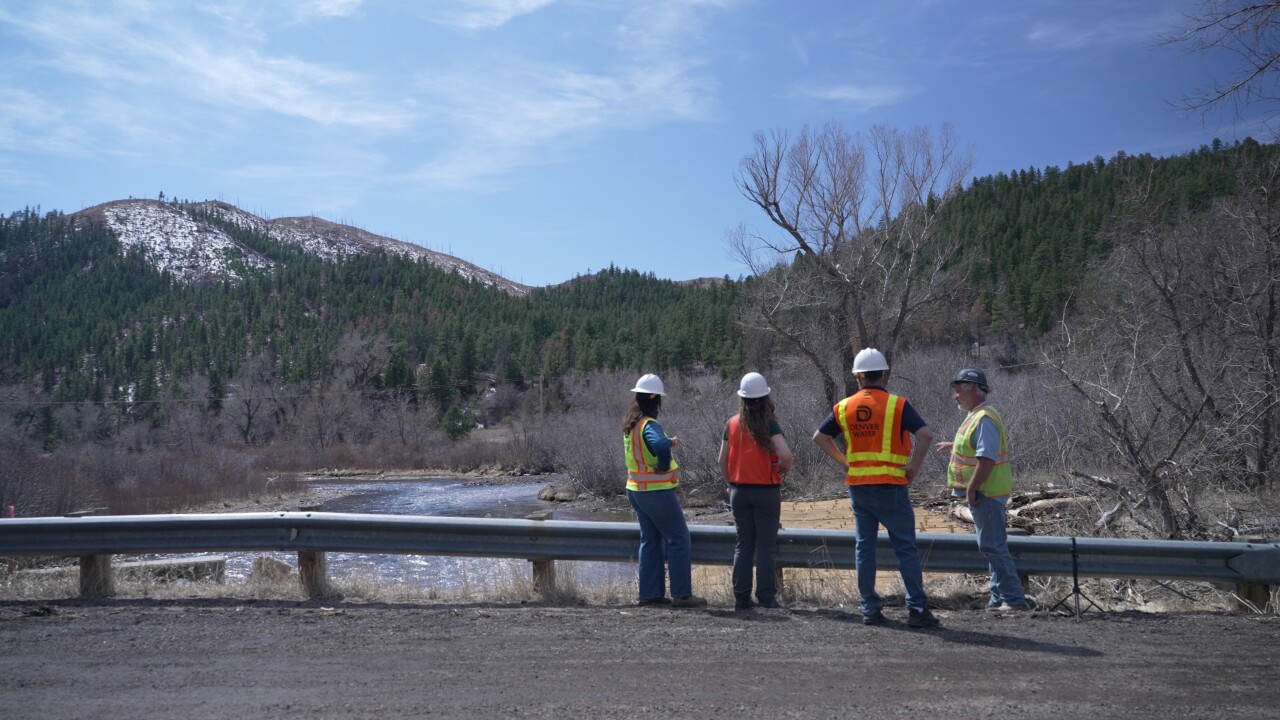
Margo Yousse, the watershed project manager at Jefferson Conservation District, said this project is especially important as drought conditions across the state may lead to more wildfires this summer. She said the bank stabilization work and the slowing of water flows will help mitigate debris that could end up in the river after a wildfire.
"If there's a wildfire, it's going to burn the soil. It's going to make the soil not want to retain any moisture. So if we get any amount of rain, it's going to slough off the side of the mountain, taking down trees and dirt and debris and anything that was burned," said Yousse.
