




SEIBERT, Colo. — As around 3,800 workers walked off the job at one of the nation's largest meatpacking plants in Greeley on Monday, a Colorado cattle rancher says the market is steady for now — but the industry is watching developments closely.
Ninety-nine percent of unionized workers at the plant voted in favor of the strike when it was authorized in early February. The employees, represented by United Food and Commercial Workers Local 7, are calling for better pay, improved safety measures, and fair labor practices.

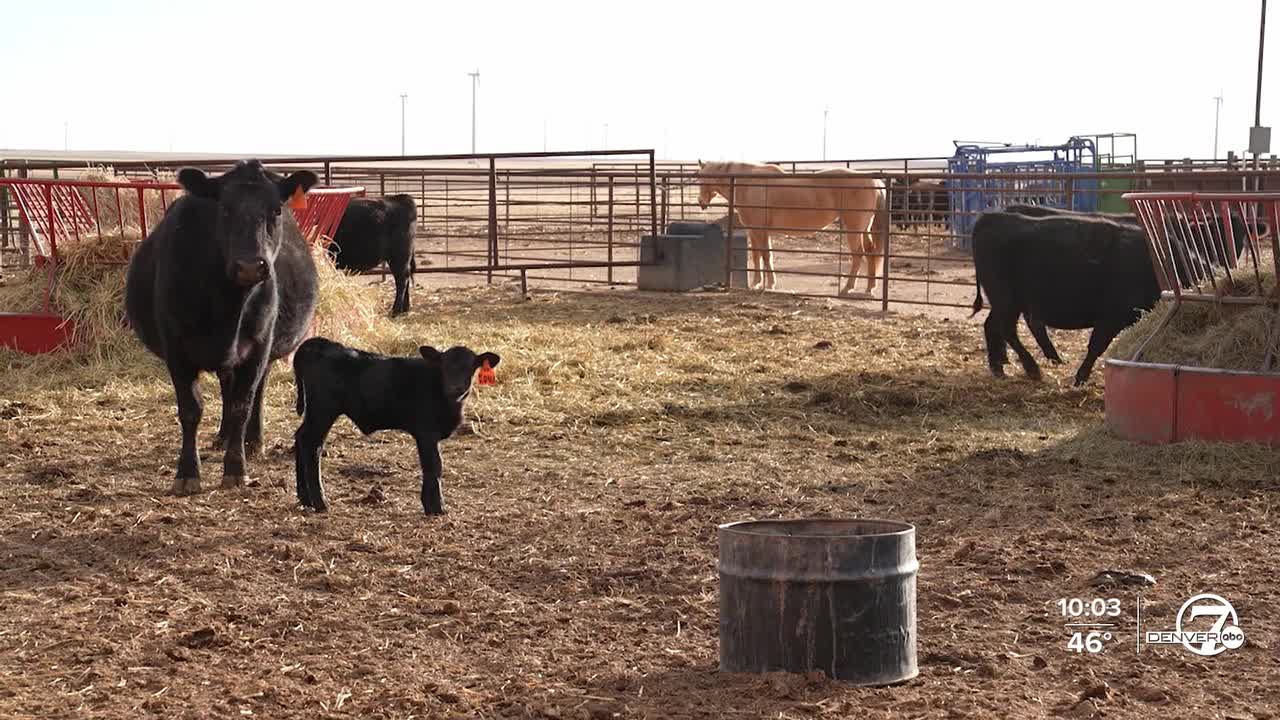
Dallas Vaughn runs a cattle ranch with his family in Seibert, a rural town in the Eastern Plains about two hours from Denver. He raises cattle for sale to feedlots, which prepare the livestock for meatpacking plants, such as the JBS facility in Greeley.
While he said uncertainty and labor strikes are never good for the market, it would take him a while to feel the strike's impact on the supply chain.
"Did it have an effect on the market today? It does not appear it did. But it's a long time between now and October or even December, when we will sell these cattle," Vaughn said.

Vaughn said the market for sellers like him remains favorable.
"I wasn't really concerned, just because I do think that it takes a long time, and this was highly expected that they weren't going to reach an agreement, so for them to actually go on strike, I don't think it was a surprise," he said.
Vaughn said it can take more than two years from when he makes breeding decisions to when cattle actually enter a meat processing facility. He said a 75-year low of cattle supply due to drought and higher costs has minimized the potential impacts of the strike on the supply chain.
"That's because the head count's not there. The feedlots aren't full, and so therefore the packing isn't full," Vaughn said. "These feedlots will be shipping cattle on their contracts, and JBS will be honoring those, so they'll just simply go to another JBS plant that's not on strike. JBS appears to be covering the extra freight on that to get those cattle there. So right now, the impact is not being seen in today's cattle that are shipping."
Ashley House, a spokesperson for the Colorado Farm Bureau, said in a statement that the organization is hoping for a speedy resolution.
"We’re hoping this gets resolved quickly and in the best interest of all stakeholders. We don’t expect any disruptions in service for our members that may sell cattle to JBS or for consumers to realize higher prices, etc. JBS is continuing to be a good partner honoring contracts and covering any strike incurred costs appropriately," House said.
◼️ Previous coverage
