



GOLDEN, Colo. (KOAA) — On Tuesday, NASA announced its long-awaited contract for the next-generation Moon rovers, more formally known as Lunar Terrain Vehicles (LTV), and a Colorado company is one of two to win the award.
Lunar Outpost, based in Golden and co-founded by a CU-Boulder grad, was one of three companies vying for a $4.6 billion NASA LTV contract as the space agency sets its sights on long-term human presence on the Moon.
But instead of one contract, NASA announced two companies, both Lunar Outpost and California-based Venturi Astrolab, would each be getting LTV contract money.
“The LTV strategy, which we’re signaling ignition, is that instead of developing one, very capable but also complex, and putting all of our eggs in that basket, we're going to develop multiple,” said Moon Base program executive Carlos García-Galán during a Tuesday press conference.
“So this is, if you will, phase one of LTVs. After we test out the two that we just awarded today, we expect to have more opportunities for the same vendors or other vendors with more capability and incorporating the lessons we learned through the operations of the tools that we have,” he said.

García-Galán’s comments indicate that the LTV competition isn’t quite over, and Lunar Outpost could still be vying to become the primary vendor for the vehicles.
As of now, each LTV award is $220 million, NASA said during Tuesday’s press event.
This news comes on the heels of Lunar Outpost recently announcing its newest iteration of their LTV, the Pegasus.
According to a press release, Lunar Outpost said the Pegasus LTV “provides critical surface mobility for Astronauts operating at the Moon’s South Pole, expanding how far and long crews can traverse and operate on the lunar surface.”
Moon Base program executive Carlos García-Galán said Pegasus is a pared-down version of their earlier LTV designs to be lighter weight and ready to fly on earlier missions, “as we’ve asked and demanded.”
Pegasus can support two astronauts inside the vehicle, be controlled remotely for autonomous driving, and map terrain and identify future potential Moon Base sites. It can travel 10 kilometers an hour on the lunar surface while being able to navigate steep slopes and terrains.
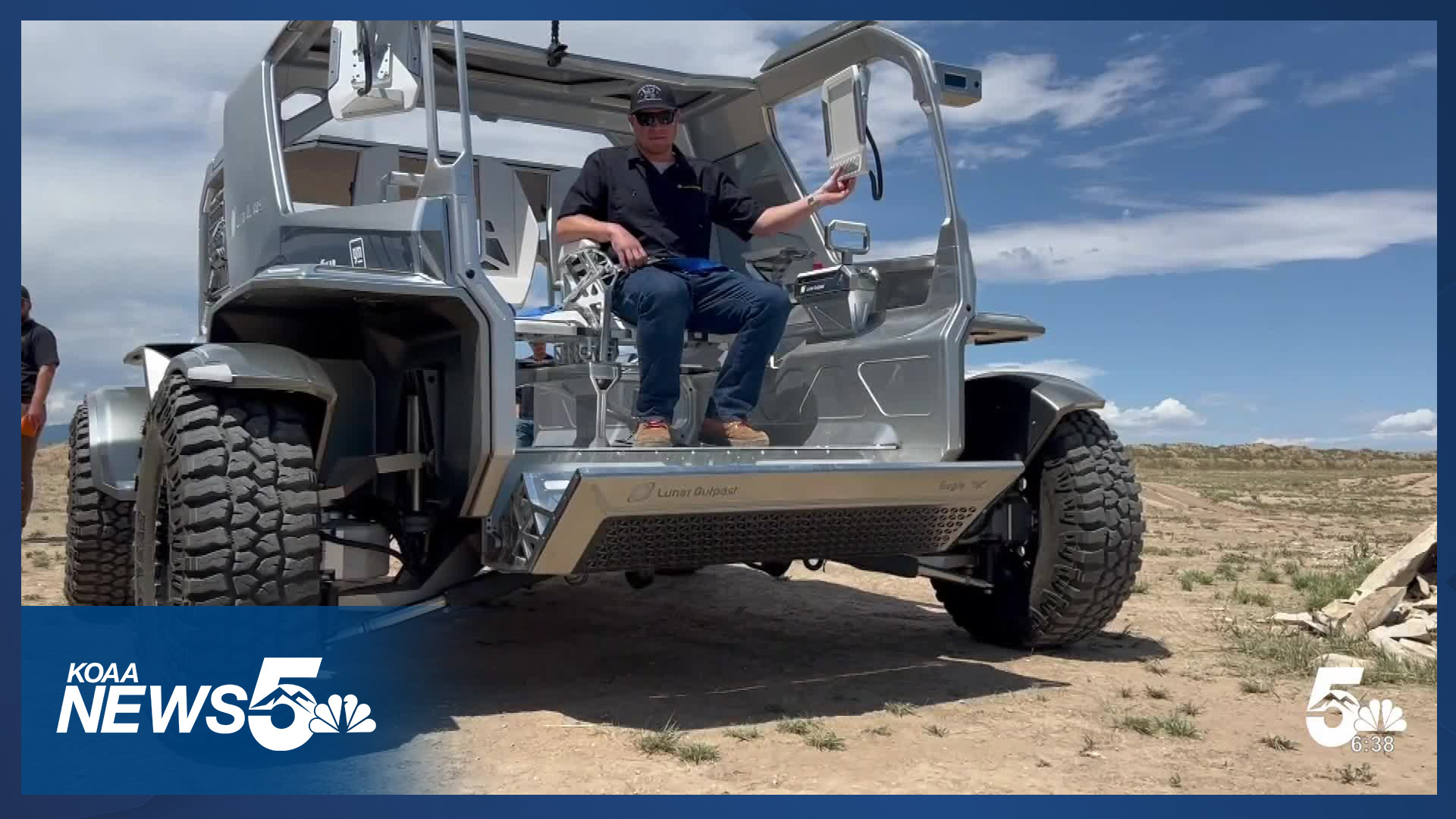
Last summer, KOAA was the only Colorado broadcast outlet to visit the company’s “Lunar Vehicle Test Site” on a remote ranch in southern Colorado near the town of Rye.
- Watch News5's coverage of the visit below:
At that time, the company was showcasing its Eagle LTV, which is now supplanted by Pegasus.

The site simulates the Moon’s surface with dust, craters, and hills. The Arvada-based mission control center was also able to maneuver the LTVs during the demonstration remotely.
“We’ve spent the better part of the past decade engineering advanced mobility solutions designed for the realities of operating and building on the lunar surface,” said Justin Cyrus, CEO and Founder of Lunar Outpost in a press release following NASA’s announcement. “Pegasus gives Astronauts the range, reliability, and flexibility needed to thrive in new terrain as we identify and prepare the sites that will become the first permanent lunar outpost.”
Despite controversial cuts to NASA science programs, the space agency and the Trump Administration have focused their efforts on funding human exploration and establishing an Artemis program Moon Base by the end of the decade.
Pegasus, and Lunar Outpost’s previous LTV iterations, were developed in partnership with General Motors, Goodyear Tire, and Leidos.
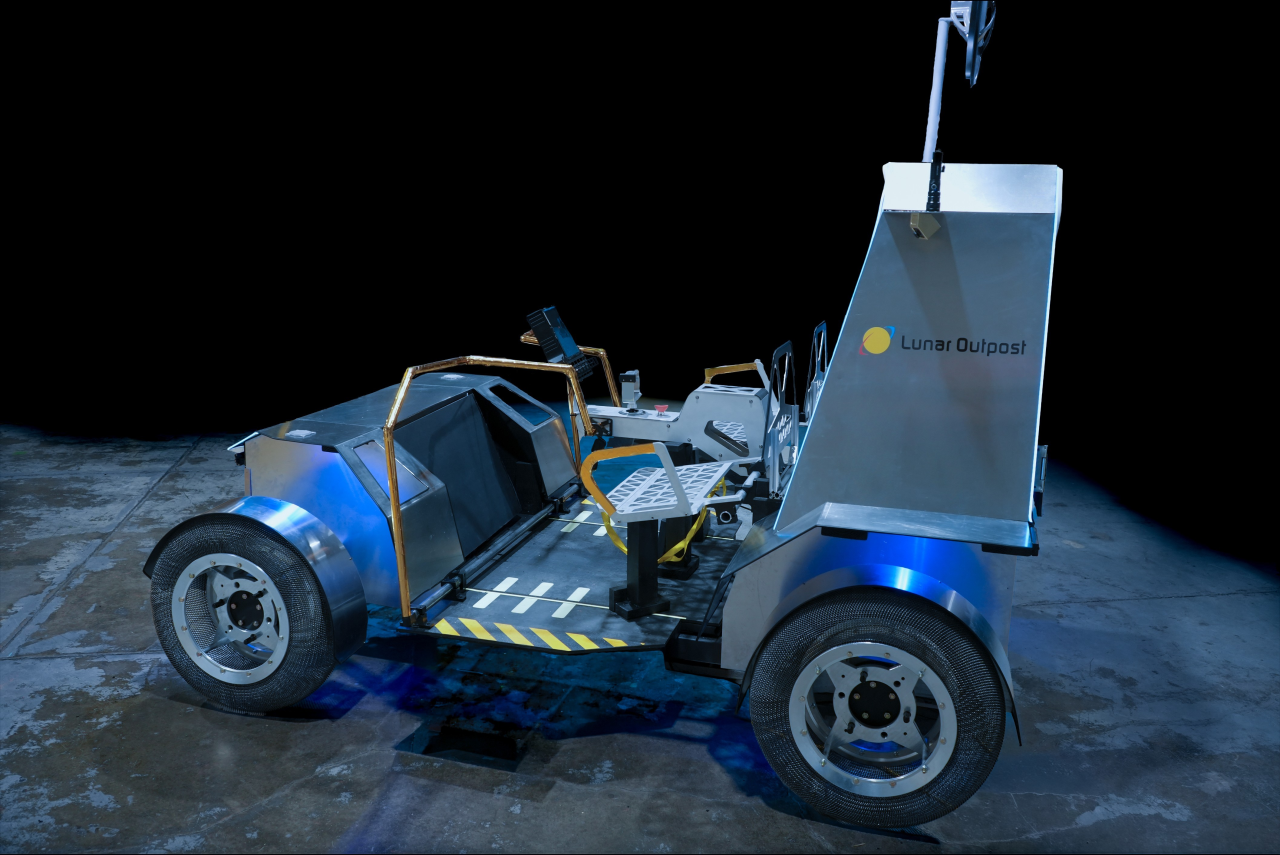
“GM’s electrification technology was built to perform in some of Earth’s toughest driving conditions, and adapting it for the Moon with space-rated batteries is an extraordinary technical challenge,” said Steve duMont, president, GM Defense. “Helping Astronauts travel safely across the lunar surface again will be a proud moment for our team and our country.”
Lunar Outpost also announced $30M in new Series B funding earlier this month, primarily from early-stage venture capital firm Industrious Ventures, to scale production of its lunar robotics and mobility systems.

Right to Hunt and Fish? Amendment 83
____
Watch KOAA News5 on your time, anytime with our free streaming app available for your Roku, FireTV, AppleTV and Android TV. Just search KOAA News5, download and start watching.
