


BROOMFIELD, Colo. — Where there’s smoke, there’s fire. And sometimes, where there’s fire, there’s a towering pyrocumulonimbus cloud blasting that smoke high into the atmosphere.
Fire-generated thunderstorms — which scientists liken to powerful volcanoes that can shoot smoke 50,000 feet into the air — are the subject of a new, first-of-its-kind NASA research mission that will require a specially-outfitted, Broomfield-based NCAR plane to fly into the storms.
▶️ WATCH: Denver7's Alex Dowd reports ahead of the project's first official mission flight
“Not only are we trying to predict which fires produce these storms, but also understand, once they inject smoke really high, what are the potential effects downstream,” Dave Peterson, the project’s principal investigator and a Naval Research Lab meteorologist, told Denver7.
Already in the Western U.S. this year, there have been 11 of these firestorm events, according to Peterson, with at least six of them occurring over Colorado wildfires.
Peterson describes these pyrocumulonimbus clouds — created when water vapor condenses during the rapid rise of heat and wildfire smoke — as “giant chimneys” that push smoke into jet-cruising altitude, where jetstream winds can push it downstream rapidly.
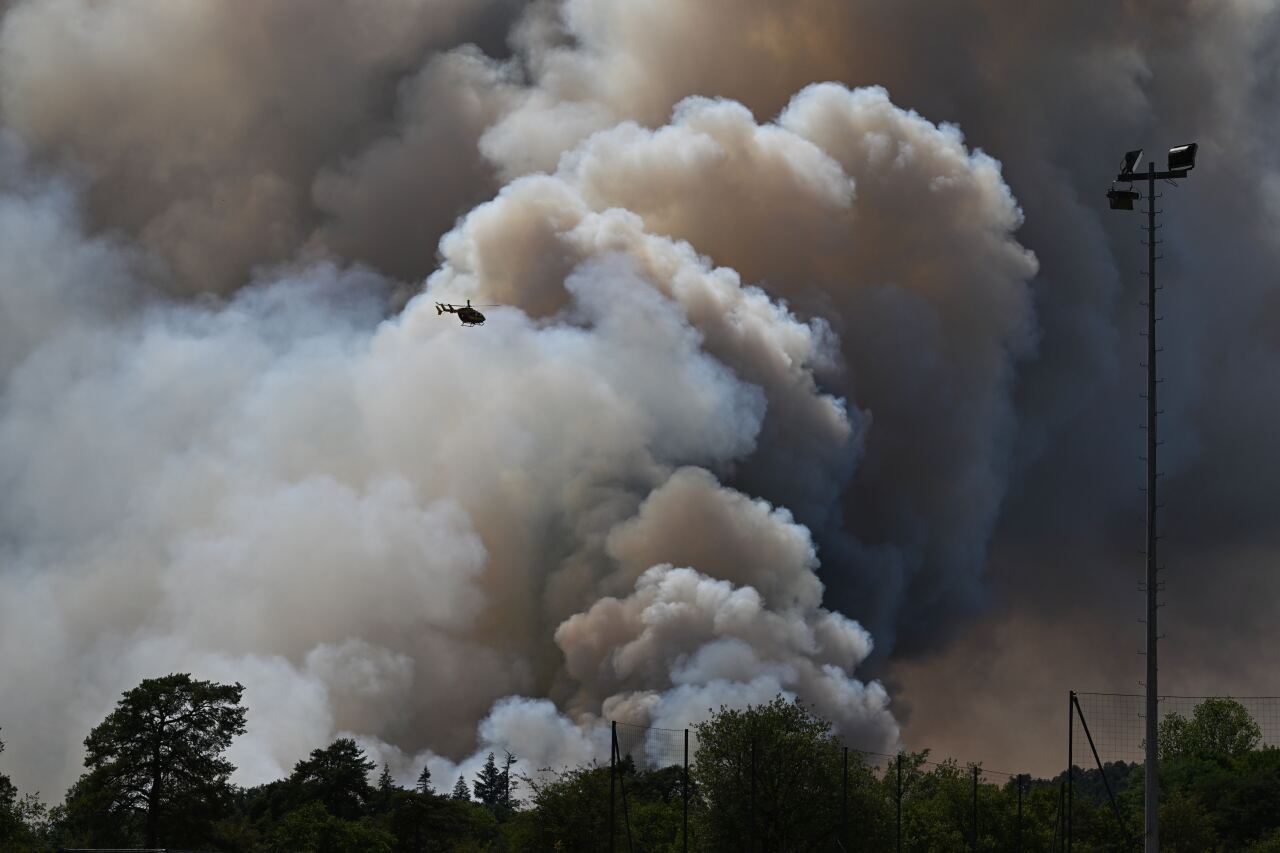
Those storms and smoke in the atmosphere can create their own weather, including fire tornadoes and dry lighting that can spark new wildfires. Those hazardous weather events can hamper firefighting efforts and further devastate communities, experts say.
Scientists know the smoke that shoots into the atmosphere can travel around the entire globe and stay in the atmosphere for days, months and sometimes even more than a year.
But there’s still a lot they don’t know.
“This phenomenon is really kind of a new scientific topic,” Peterson said from NCAR's Research Aviation Facility in Broomfield. “It's not well understood. It's also not well predicted, and so we've assembled a very large group of scientists from many different agencies, universities, and other collaborators to attack this challenge.”
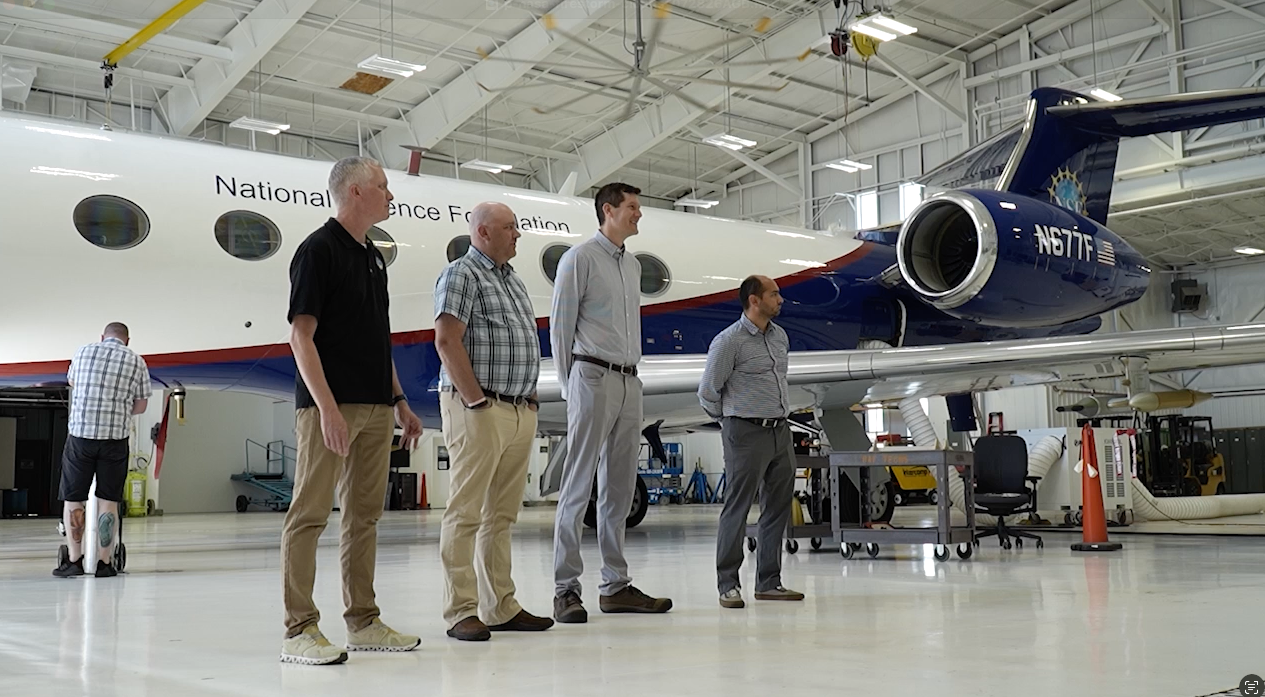
Peterson and the scientists on his team from NASA, the U.S. Naval Research Laboratory and the National Science Foundation National Center for Atmospheric Research hope the research from this six-week mission, called the INSPYRE project, will help them understand more and better predict the impacts of these towering clouds.
“There's a number of hazards near the fire, and just being able to predict which fire will produce this can greatly enhance the firefighting effort and the community response,” Peterson said.
'We have targets'
To gather all the data they’ll need, INSPYRE will have crews on three different levels.
NCAR's Gulfstream V aircraft will fly directly into the smoke and over the fire-generated clouds to take measurements of smoke and ice at the top of the storms and then will travel downwind to see how the smoke evolves.
“We've never flown inside them like the GV is going to do, and so we're going to get in situ, as we say, up close and personal to see what's inside these clouds,” said Michael Fromm, an NRL meteorologist who specializes in remote sensing and has studied these events for nearly three decades.
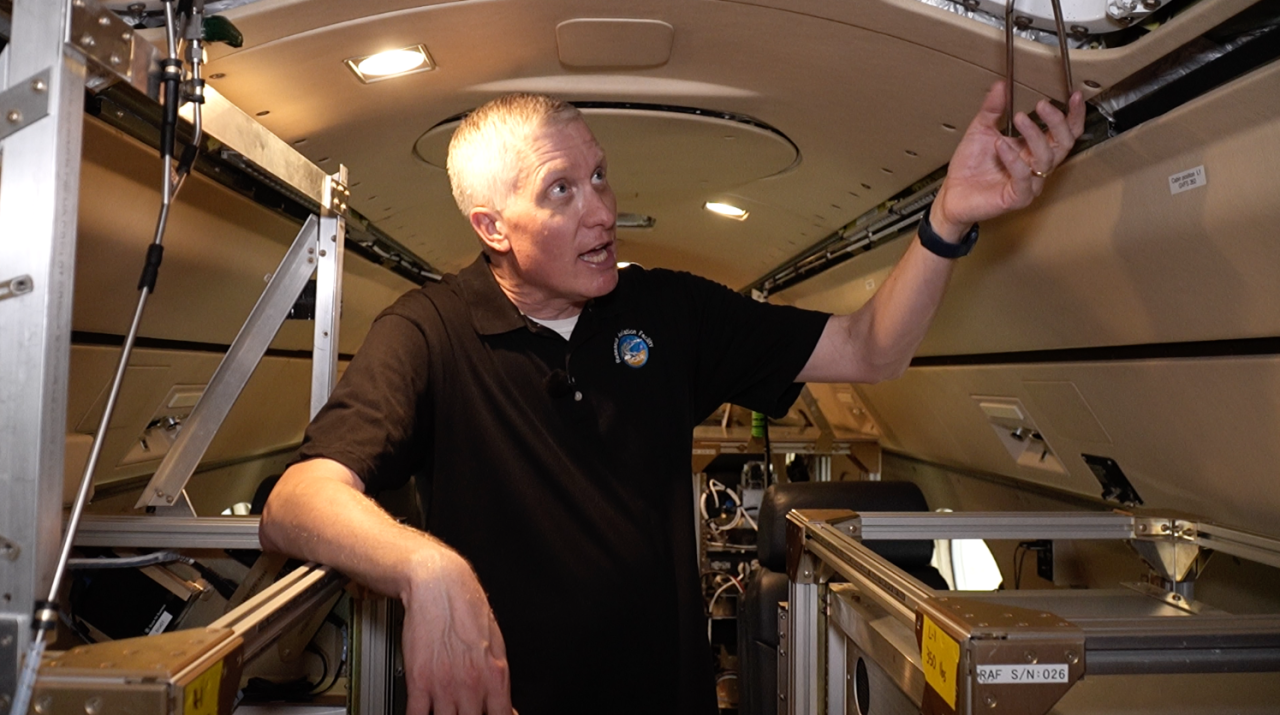
The plane has been specially outfitted for this mission with instruments to measure chemicals in the air, like ozone or carbon monoxide, as well as aerosols including tiny particles of soot and ash. They’ll also be measuring the particle sizes of the clouds, ice crystals and precipitation particles, according to Cory Wolff, the mission’s project manager and an expert on the NCAR plane.
Above it, an extreme-altitude ER2, which Peterson describes as a “steerable satellite” that can fly above 95% of Earth’s atmosphere, will gather remote data sensing data. Below, teams with a truck-mounted satellite will gather data on the ground.
And the flights themselves will be no easy task.
“These flights can be very challenging to plan,” Peterson said. “They're also kind of exciting in a way.”
Both planes are set to fly over Oregon on Wednesday for the mission's first official flight. Over the course of the project, crews could fly anywhere in the western US and potentially into Canada, with the GV’s long range and homebase in Broomfield allowing it to reach a large area, according to Wolff.
“There are fires on the landscape now, so we have targets,” Fromm said. “If it had been wet, cold, and cloudy, and no fires within reach of the aircraft, we'd be twiddling our thumbs.”
The crew aboard NCAR’s GV will consist of 10 people: two pilots sitting up front plus a crew of eight responsible for monitoring measurements, watching the weather to help direct the plane into the right types of clouds and make sure the mission stays safe, according to Wolff.
Up close to the fires, turbulence will be “really bad,” Wolff said.
“Basically we want to get close enough to get good science, but stay far enough away that everybody will be safe,” Wolff said.
‘A dream come true’
Among the things researchers don’t know, but hope to understand after this project: what specific conditions of a fire make a firestorm more likely, how smoke particles change atmospheric circulation, and where smoke particles go after they dissipate.
“Pushing smoke through a cloud can make the smoke particles larger with different properties, which means the effect it can have on the atmosphere is likely different,” Peterson said. “That's not well understood, and so that's another big goal of this mission.”
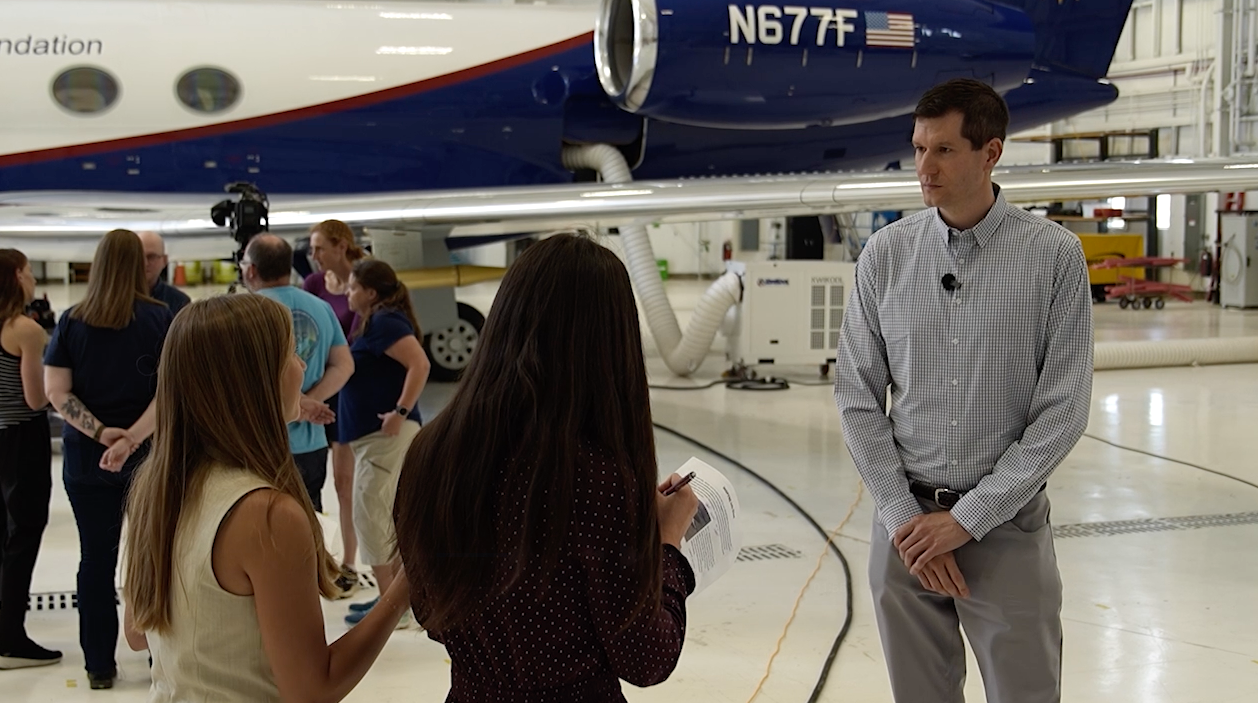
Fromm is interested in what happens long after the storm is over.
“You can picture these plumes blowing around. I don't think we know yet what happens to it,” Fromm said. “Someday it goes away, but why does that happen? Are the particles just exploding, vaporizing, or are they falling out slowly? Are they rising up? How are they spreading out? How do they disappear?”
For Fromm, who began studying firestorms back in 1998, just beginning the project represents something special.
"This is a dream come true," he said. "I've been part of NASA missions for a number of years, but this is a culmination of a quarter of a century of research by a large number of people ... and the dedication and the skills that they have are going to make for something that we've never seen before."
