

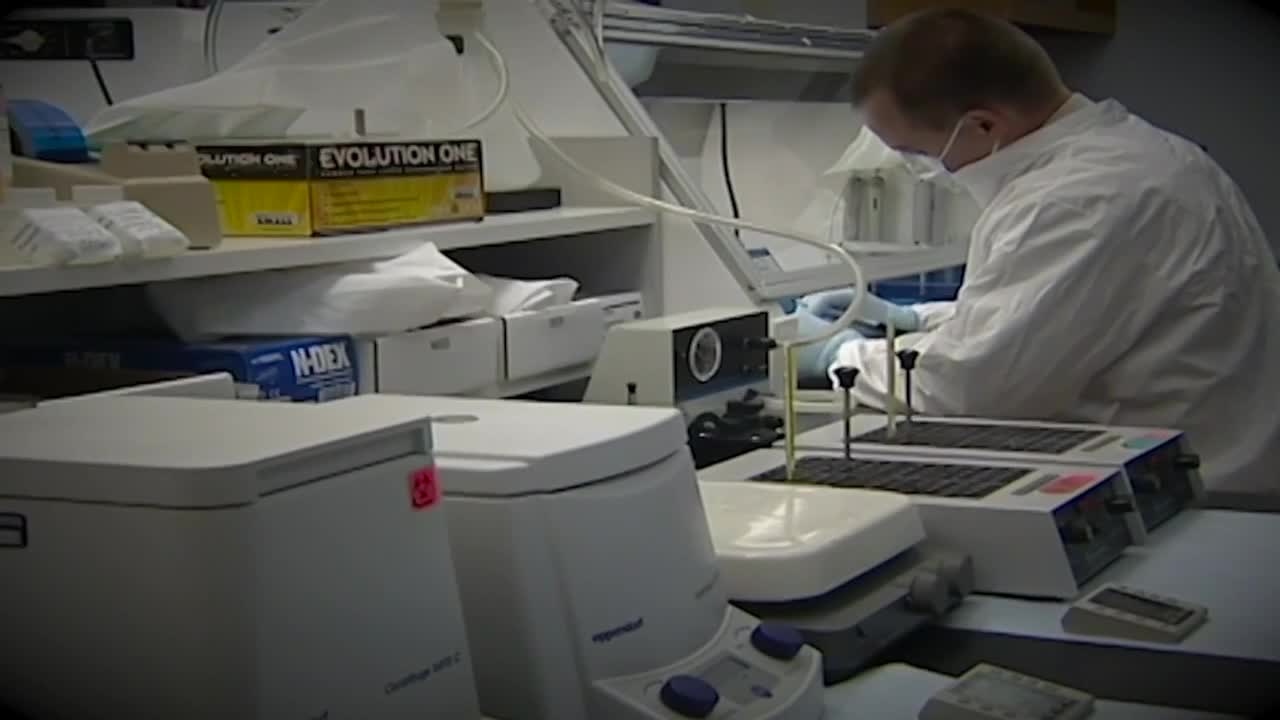


DENVER, Colo. — A Colorado bill seeks to give survivors of a crime the ability to request forensic medical evidence be retested in their case, if a laboratory employee has engaged in "wrongful action."
House Bill 26-1052 is a bipartisan effort, one that prime sponsors said builds upon the work done last session within the Forensic Science Integrity bill, which aimed to address allegations about a former scientist that shocked the state legislature.
HB26-1052 would also allow survivors to protect their privacy by using a preferred name, like a pseudonym or initials, during court proceedings.
"There was a bill passed last year on victims' rights, and this bill just brings that into alignment. There were some changes that need to be made to protect victims," said State Rep. Dan Woog, R-District 19. "There's just been so many mistakes by the CBI... I don't know why, if it's incompetence or laziness, but just a severe issue that has to be dealt with for victims."
The CBI — Colorado Bureau of Investigation — has been in the spotlight at the Colorado State Capitol since former forensic scientist, Yvonne "Missy" Woods, was accused of mishandling DNA evidence.
Woods faces 102 felonies. Her charges include cybercrime, perjury and forgery.
"Just kind of disbelief, that there's that many counts against this person that was an employee of CBI," Woog, a prime sponsor of HB26-1052, told Denver7. "This is an entity that really can't afford mistakes like that, and to see that there are 102 counts against her is totally unacceptable."

Local
Former CBI scientist accused of manipulating data in 652 cases, CBI says
Woods retired in November 2023 after working at CBI for nearly three decades. Half of the lab work done in 2024 at CBI was dedicated to reviewing her cases.
As a result of the intensive investigation into Woods, a backlog of testing on DNA rape kit tests was exacerbated at CBI. This time last year, more than 1,400 sexual assault cases were caught in that backlog and had a waiting period of over 500 days for results, according to the Sexual Assault Turnaround Time Dashboard.
CBI wants to reduce their turnaround time for sexual assault evidence kit results to 90 days.
Originally, CBI believed they could reach a turnaround time of roughly 230 days by 2026, hitting their 90-day goal in early 2027, according to previous Denver7 reporting.
However, the dashboard shows that this month, the turnaround time will likely be cut in half to 241 days. The agency expects to reach their 90-day turnaround goal by September of this year, which is ahead of schedule.
Still, Deputy Director of Forensic Services at CBI, Lance Allen, told the House Judiciary Committee on Tuesday that they still have a long way to go.

State
Sex assault survivors invited to town hall about CBI's backlog of DNA rape kits
Allen testified in support of HB26-1052, which advanced out of the committee hearing unanimously.
Upon Allen's first interpretation of the bill, he said it appeared CBI would be required to oblige any survivor's request for a retest of forensic medical evidence. The legislation was amended in the committee hearing, adding what Allen called "clarity" that he believes will avoid a surge in testing backlogs.
That "clarity" comes in the form of district attorneys, who would have to review a survivor's request for retesting evidence.
Assistant Majority Leader and State Rep. Jennifer Bacon, D-District 7, said the district attorneys in this legislation will act as some sort of "gatekeeper," but ultimately voted in favor of the bill.
According to prime sponsor and State Rep. Rebekah Stewart, D-District 30, the intent behind that change to the legislation was intended to ensure the request was vetted before CBI adds it to the queue.
Committee member and State Rep. Yara Zokaie, D-District 52, asked Allen if passing this bill means individuals who were wrongfully convicted of a crime would end up waiting longer for their results. Allen told Zokaie that CBI would simply "have to do both," adding that often time trial dates do take priority but otherwise it is "first come, first serve."
Allen told the committee that cases cost approximately $2,000 to retest. Lawmakers were skeptical of how much this legislation will cost, as they stare down a roughly $850 million budget shortfall this year and on the heels of providing CBI with millions of funding in the wake of the Woods fallout.

Politics
Lawmakers are close to allowing CBI funding to roll over, help rape kit backlog
Still, HB26-1052 was sent on its way to the Appropriations Committee, where the fiscal note will be the focus.
Right after that vote, the House Judiciary Committee moved on to House Bill 26-1017, which seeks to prohibit insurers from receiving restitution through criminal proceedings.
"We are dealing with a situation where victims right now are not always getting the first crack at the money that comes in from a criminal defendant sentence," said State Rep. Cecelia Espenoza, D-District 4. "When they're sentenced, criminal defendants often have to pay restitution to their victims, but right now, we have insurance companies in what's called the waterfall of people receiving that restitution amount."
Espenoza said the idea for this bill stemmed from a 2025 Colorado Court of Appeals decision.
"I did have a lot of the insurance companies originally wanting to amend the bill, and as I said, we're not precluding them from obtaining relief in civil court. And so, I made sure that we're doing one amendment to clarify that we are not taking them out of civil opportunities to obtain relief just out of criminal opportunities," said Espenoza, one of the prime sponsors of the legislation.
On a 7-4 vote, HB26-1017 advanced to the Committee of the Whole.
