


BOULDER, Colo. — NASA has selected a proposal from CU Boulder researchers to design and build instruments that will be deployed by astronauts on the Moon.
Xu Wang, senior researcher at the Laboratory for Atmospheric and Space Physics (LASP), said he couldn't be happier.
"We've been doing this for decades, and finally we got to the point where we get to fly this," he said.
The instrument suite designed at the LASP will analyze lunar dust, which is abrasive like glass and sticks to all surfaces. Lunar dust can damage equipment and harm astronauts if inhaled.
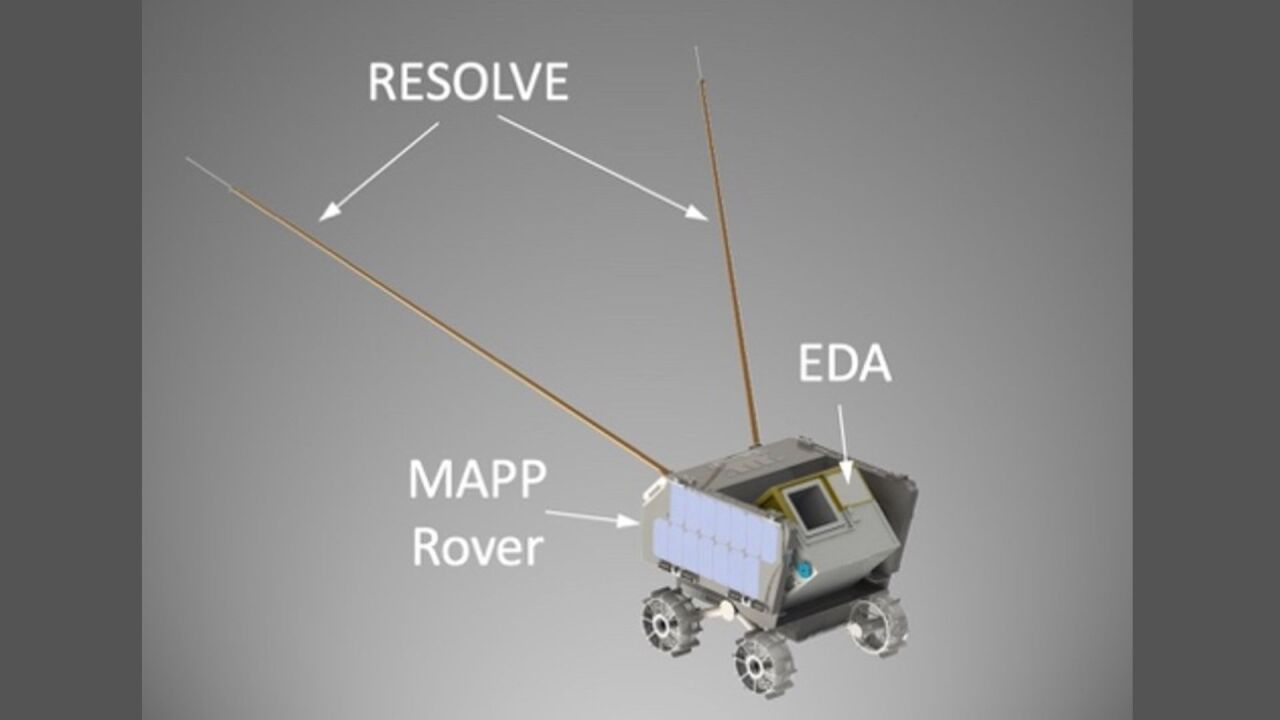
The project called DUSTER consists of two instruments: the Electrostatic Dust Analyzer (EDA), which will measure the charge, velocity, size, and flux of dust particles lofted from the lunar surface—and the Relaxation SOunder and differentiaL VoltagE (RESOLVE) instrument, which will characterize the average electron density above the lunar surface using plasma sounding, according to LASP.
Wang called lunar dust one of the biggest obstacles to exploration of the moon. He hopes the information obtained from DUSTER will guide mitigation strategies and methods to enable long-term, sustained human exploration on the moon.
“The whole goal is to understand this environment so that we can assess any potential risks or hazards for future long-term exploration on the surface of the moon,” Wang said.
LASP will have 20 to 30 people on the science team working on building DUSTER.
NASA awarded $24.8 million to build DUSTER for the Artemis IV mission, scheduled to launch in 2028.
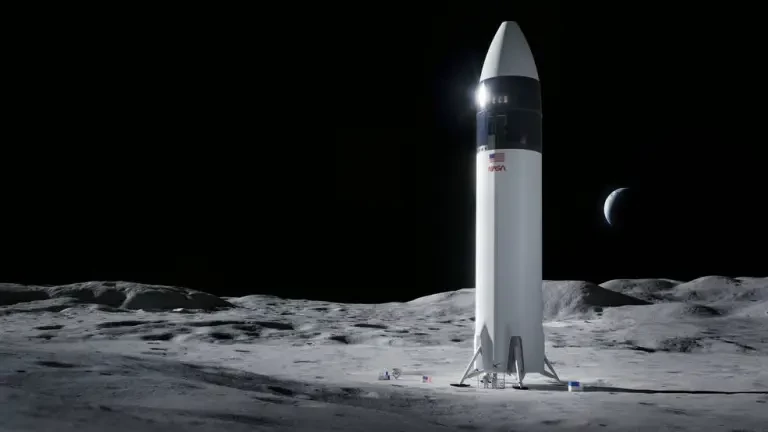
Artemis IV will land astronauts on the moon for the second time in the Artemis program, sending humans near the lunar south pole.
___

Right to Hunt and Fish? Amendment 83
____
Watch KOAA News5 on your time, anytime with our free streaming app available for your Roku, FireTV, AppleTV and Android TV. Just search KOAA News5, download and start watching.
