


DENVER, Colo. — Colorado saw a slight increase in conflicts between humans and black bears last year compared to 2024, with unsecured trash bins being the biggest culprit in encounters between Coloradans and the wildlife that roams our backyard.
In 2025, Colorado Parks and Wildlife (CPW) registered a total of 5,299 reports of sightings and conflicts with our state’s black bears, that’s a 5.5% increase compared to 2024, according to a data analysis by Scripps News Denver.
Despite the small increase, however, the latest data shows encounters with black bears have increased by 15% when compared to the previous six years.
“Trash management remains a leading factor in human-bear interactions, with unsecured garbage, bird feeders, and improperly stored food continuing to attract bears,” said CPW spokesman Joey Livingston.
In 2025, over 57% of human-bear encounters were linked to unsecured trash bins, Livingston said, with 18% of all total encounters blamed on livestock, chickens and beehives, and 16% blamed on bird seed, pet food, barbeque grills, coolers and refrigerators that were not properly stored.
In all, about 46% of all bear conflicts lead to property damage, said Livingston.
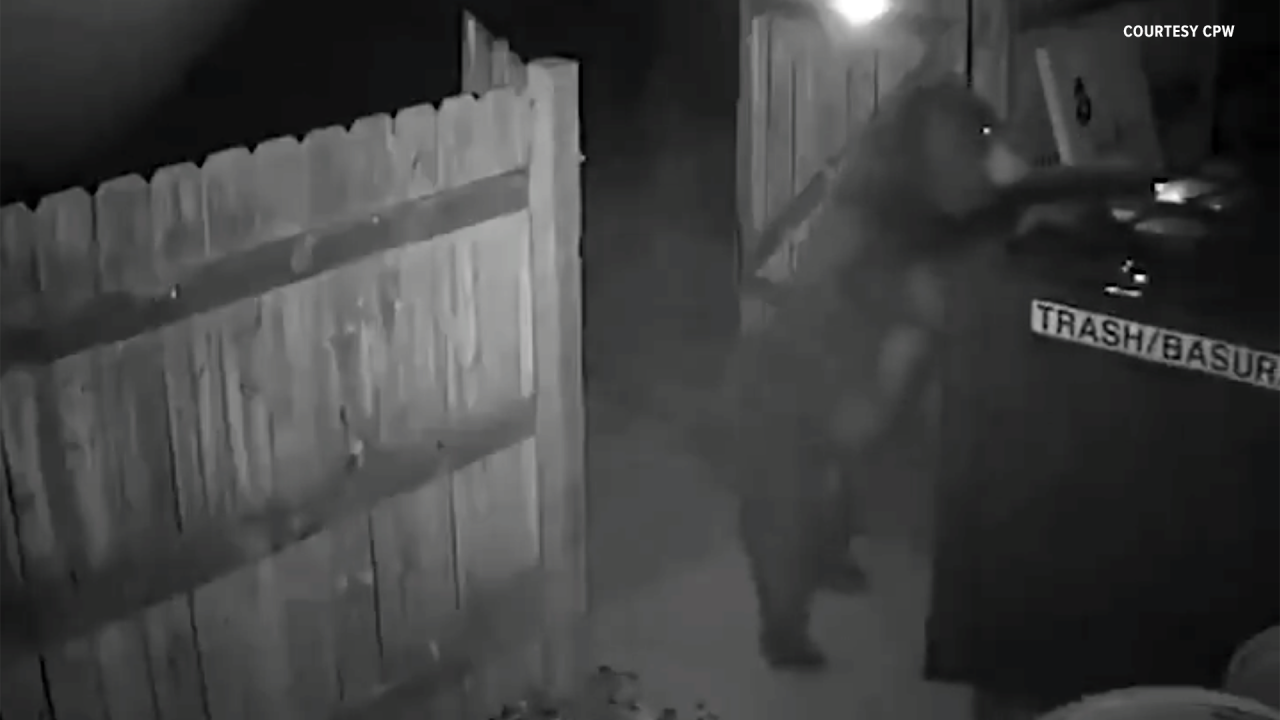
State wildlife officials said nature and human behavior play a role in the amount of bear activity Colorado sees each year, with drought conditions and other factors influencing the availability of natural food crops for bears.
State data shows Colorado experienced varying levels of human-bear conflicts, with some areas seeing increases while others saw declines.
“Some regions, particularly those with poor acorn and berry production, reported increased bear activity in residential areas, leading to property damage and vehicle collisions,” wrote Livingston in a news release about the findings by CPW.
He said that while educational initiatives and community efforts have helped mitigate some of those encounters, “the need for improved coexistence practices, including securing attractants and reinforcing bear-proofing measures, remains critical.”
“These conflicts could all easily be reduced if the public takes some simple steps around their homes and properties to prevent bears from accessing them,” said Livingston.

Black bears are the largest carnivore in Colorado and typically stick to their natural diet of berries, nuts and insects.
But if they get a whiff of human food, those dietary habits can quickly change, and bears will begin actively seeking out homes, unsecured trash cans and birdfeeders for treats previously forbidden to them, said Livingston.
State wildlife officials said a remaining concern from the public about reporting bear activity in Colorado is the belief that calling CPW will lead to the bear being put down.
Of the 5,229 reports wildlife managers received last year, they said, only 1.47% led to a bear being put down, that’s a decrease of nearly a half-percentage point compared to 2024, according to the latest data.
When reported early, wildlife officers can educate neighbors, try to haze the bear and, when applicable, can try to relocate it before its behavior rises to a dangerous level that may require the bear to be put down.
Wildlife officials, however, stress that “relocation is not a fix-all solution as there is no way to unteach a bear once it learns that homes, garages or vehicles might contain food,” said Livingston.
CPW has the following recommendations for how to bear-proof your home, cars and campsites, and protect livestock:
Bear-proofing your home:
- Keep garbage in a well-secured location. Only put out garbage on the morning of pickup.
- Clean garbage cans regularly to keep them free of food odors: ammonia is effective.
- Keep garage doors closed, Do not leave pet food or stock feed outside.
- Use a bear-resistant trash can or dumpster.
- Bird feeders are a major source of bear/human conflicts. Attract birds naturally with flowers and water baths. Do not hang bird feeders from April 15 to Nov. 15.
- Don’t allow bears to become comfortable around your house. If you see one, haze it by yelling at it, throwing things at it and making loud noises to scare it off.
- Secure compost piles. Bears are attracted to the scent of rotting food.
- Clean the grill after each use, clean-up thoroughly after cookouts.
- If you have fruit trees, don't allow the fruit to rot on the ground.
- Talk to your neighbors and kids about being Bear Aware.
Bear-proofing your car and campsites:
- Lock your doors when you’re away from home and at night.
- Keep the bottom floor windows of your house closed when you're not at home.
- Do not keep food in your vehicle; roll up windows and lock the doors of your vehicles.
- When car-camping, secure all food and coolers in a locked vehicle.
- Keep a clean camp, whether you’re in a campground or in the backcountry.
- When camping in the backcountry, hang food 100 feet or more from the campsite; don’t bring any food into your tent.
- Cook food well away from your tent; wash dishes thoroughly.
Bear-proofing your chickens, bees, livestock:
- Keep chickens, bees and livestock in a fully covered enclosure, especially at night.
- Construct electric fencing when possible.
- Don’t store livestock feed outside.
- Keep enclosures clean to minimize animal odors.
- Hang rags soaked in ammonia and/or Pine-Sol around the enclosure as a scent deterrent.
___

Right to Hunt and Fish? Amendment 83
____
Watch KOAA News5 on your time, anytime with our free streaming app available for your Roku, FireTV, AppleTV and Android TV. Just search KOAA News5, download and start watching.
