



DENVER — It's not much, but it's better than nothing.
Android users may have at least $2 coming to them if they bought an app in the Google Play store between August 2016 and September 2023.
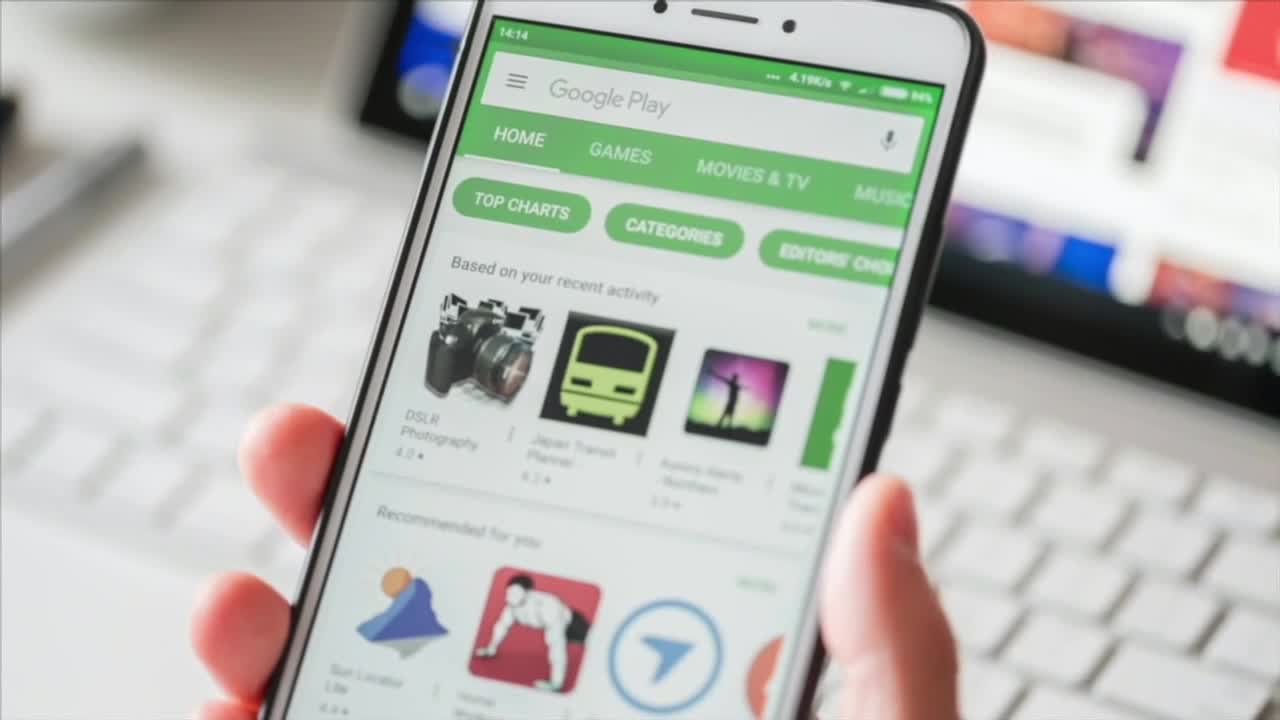
States, including Colorado, reached a settlement with Google over anti-competitive practices with the Google Play store, specifically that Google prevented other app stores from being preloaded on Android devices.
Colorado Attorney General Phil Weiser's office said Google has agreed to pay $700 million change its ways.
Tech magazines PC Mag and ZD Net report 102 million eligible U.S. consumers will receive at least $2 and that other customers could get more based on their purchases.
Eligible consumer do not have to submit a claim. They will receive automatic payments through PayPal or Venmo.
In a statement, Attorney General Weiser said, “Google illegally restricted developers and consumers from freely doing business with each other, which harmed everyone who buys and sells apps and in-app products. After years of the company flouting a core principle of the free market—that consumers should be able to shop around to find the best price—this settlement will hold Google accountable under antitrust laws.”
Weiser and 52 other attorneys general sued Google in 2021 alleging the company unlawfully monopolized the Android app distribution and in-app payment processing market. Specifically, the states claimed that Google signed anticompetitive contracts to prevent other app stores from being preloaded on Android devices, bought off key app developers who might have launched rival app stores, created technological barriers to deter consumers from directly downloading apps to their devices, and imposed monopoly prices on in-app purchases.
According to the agreement, Google must also reform its business practices by:
- Giving all developers the ability to allow users to pay through in-app billing systems other than Google Play billing for at least five years.
- Allowing developers to offer cheaper prices for their apps and in-app products for consumers who use alternative, non-Google billing systems for at least five years.
- Permitting developers to steer consumers toward alternative, non-Google billing systems by advertising cheaper prices within their apps themselves for at least five years.
- Not entering into contracts that require the Play Store to the be the exclusive, pre-loaded app store on a device or home screen for at least five years.
- Allowing the installation of third-party apps on Android phones from outside the Google Play Store for at least seven years.
- Revising and reducing the warnings that appear on an Android device if a user attempts to download a third-party app from outside the Google Play Store for at least five years.
- Maintaining Android system support for third-party app stores, including allowing automatic updates, for four years.
- Not requiring developers to launch their app catalogs on the Play Store at the same time as they launch on other app stores for at least four years.
- Submitting compliance reports to an independent monitor who will ensure that Google is not continuing its anticompetitive conduct for at least five years.
For much of this case, the attorneys general litigated alongside Epic Games, maker of the Fortnite video game, and Match, which operates dating apps like Tinder. Match announced a separate settlement earlier this year, while Epic Games took its case to trial.
Early last week, a jury unanimously found that Google’s anticompetitive conduct violated federal antitrust laws.
