

MASSACHUSETTS — A lawsuit filed in federal district court this week seeks to stop the Trump administration’s ongoing efforts to remove and alter various displays, signs, and exhibits at National Parks sites across the country.
Filed on behalf of multiple groups, including the National Parks Conservation Association (NPCA), the lawsuit claimed “the federal government is now ignoring the well-established principles and legal requirements as it seeks to erase from the national parks discussion of historic or scientific facts that this administration disfavors.”
In a press release, the NPCA said the Trump administration is removing national park exhibits that discuss the history of slavery, civil rights, the US treatment of Native Americans, and climate science.
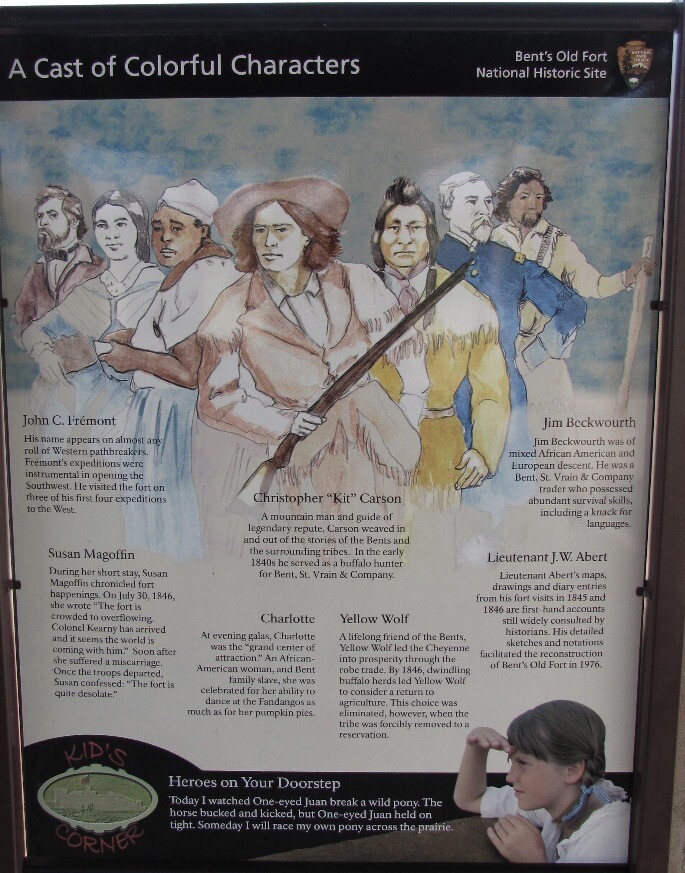
The lawsuit provided dozens of examples of these removals, including a sign at Bent’s Old Fort National Historic Site in Otero County, near La Junta in southeastern Colorado.
“A sign describing a family’s ‘ownership’ of enslaved people was flagged at Bent’s Old Fort National Historic Site,” the lawsuit said.
It also noted “interpretive materials explaining mistreatment of Indigenous groups have been flagged for removal at parks across the country,” which included the sign at Bent’s Old Fort National Historic Site that described the forced removal of a Native tribe.
The NPCA is a national nonprofit that bills itself as an advocate organization working to “protect and preserve” the National Park System for future generations.
The lawsuit came in response to last year’s “Restoring Truth and Sanity to American History” executive order issued by President Trump in March. Trump claimed in the order that there has been a decade-long effort to cast American history in a negative light.
- Watch Our Previous Coverage About The Issue In The Video Player Below
Among other points, he directed the Department of the Interior to ensure that National Parks sites “focus on the greatness of the achievements and progress of the American people.”
This led to another order issued by Interior Secretary Doug Burgum in May, directing National Park Service (NPS) employees and other public agencies to identify and replace content that “inappropriately disparages Americans past or living.”
Secretary Burgum’s order triggered signs to be posted at all NPS sites nationwide, which instructed visitors to scan a QR code and report anything that could be deemed “negative” about American history.
The orders triggered backlash across the country as National Park and history advocates voiced concern that it would bring about a whitewashing and revisionist history.
The effects of the orders began taking shape this year, which were highlighted in Philadelphia at Independence Mall, where a display about George Washington’s ownership of slaves was removed in January at the behest of the Trump admin.
A federal judge this week ruled the panels on slavery must be returned to their original state, though the administration is appealing that decision.
According to reporting from NBC in Philadelphia, the Interior Department and NPS said some materials may be edited to give a broader context, and any claims about erasing history are not accurate.
And in a statement last month, the Department said the order directed a review of certain interpretive content to ensure parks tell the full and accurate story of American history, according to CNN.
Elsewhere, for example, according to the lawsuit, signage detailing climate threats was ripped away at Fort Sumter in South Carolina, which the suit alleged is “one of the country’s most environmentally endangered parks.”
In an NPCA press release, the group also stated rangers were “forced” to take down an exhibit that discussed the role of women in protecting Muir Woods National Monument in California.
“The Trump administration is suppressing truth and history and science at the national parks, and that alarms us. It should alarm every American. Telling the truth is the foundation of our democracy and certainly of these national classrooms, which are our national parks,” said
Tracy Coppola, the Colorado Senior Program Manager at NPCA.
Coppola acknowledged the sign at Bent’s Old Fort flagged for removal, but couldn’t say if any other displays at Colorado’s 13 NPS sites were at risk.
Last year, many were concerned that Sand Creek Massacre and Amache National Historic Sites would be targeted under the federal orders, since they detailed some of the United States and Colorado’s darkest chapters.
Though there doesn’t appear to be any immediate (or publicly known) threat to those sites at this time, Coppola said they are remaining vigilant.
“We're calling on this administration to certainly recognize that this isn't something that just NPCA doesn't want, this is widely, deeply unpopular with Americans across the political spectrum,” she said. “We found that more than 3 in 4–like 78%–of Americans across the board agree that national parks should not remove photos or signs or other materials that tell the factual aspects of our story.”
The lawsuit asks the Massachusetts District Court to vacate Secretary Burgum’s order and to restore any interpretive materials that have been altered or removed.
The NPS and Department of the Interior have not responded to a request for comment on the lawsuit.
KOAA filed a Freedom of Information Act (FOIA) public records request with the NPS on July 18 last year, requesting all of the responses from the QR code signage posted at NPS sites.
The initial request noted a response by August 15, 2025, but well over 200 days later, the FOIA has still not been fulfilled.
This week, an NPS FOIA representative said they’re still processing the request and that it is number 107 in the queue.
Editor's note: We originally reported that the lawsuit suggested it was two signs at Bent's Old Fort, but it's only one sign.